Fertilizers For Indoor Plants Improving Soil Health: Natural Options Explored
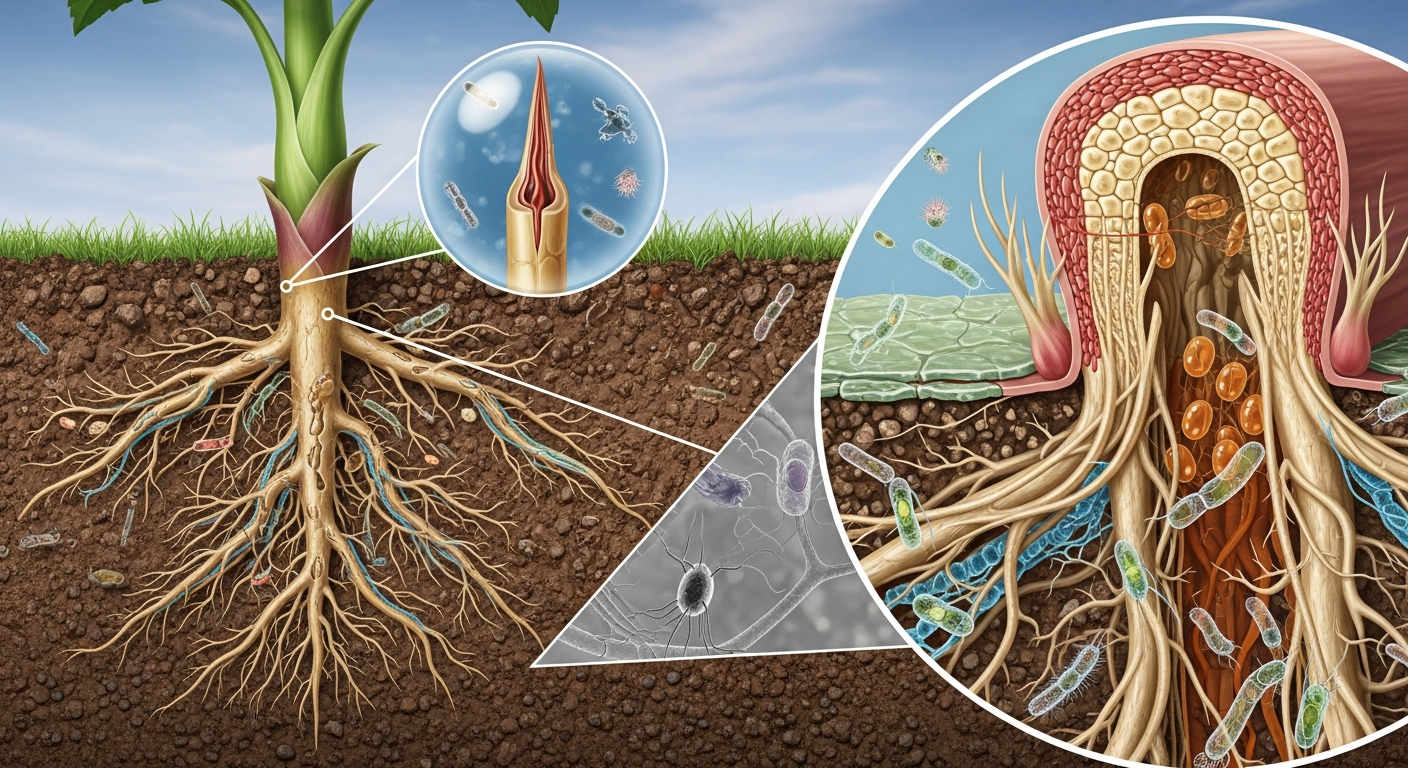
Key Takeaways:
- Indoor plants depend on beneficial bacteria and fungi in their soil to break down nutrients, improve soil structure, and protect against diseases
- Fish hydrolysate provides amino acids and compounds that feed soil microbes, offering a broader spectrum of benefits for soil health and plant resilience compared to traditional NPK fertilizers that primarily deliver bulk nutrients
- Maintaining proper moisture levels and avoiding pesticides creates an optimal environment for microbial communities to thrive
- Cold-processed organic fertilizers preserve the delicate compounds that beneficial microorganisms need to survive and multiply
The secret to thriving indoor plants isn't just about watering schedules or finding the perfect sunny spot. Beneath the surface of potting soil lies an invisible ecosystem of microorganisms working tirelessly to keep plants healthy, vibrant, and resilient.
Why Your Indoor Plants Need Microbial Support
Indoor potted plants face unique challenges that their outdoor counterparts don't encounter. Cut off from the vast network of soil life found in nature, houseplants rely entirely on the limited microbial community within their containers. Without this biological support system, even the most carefully tended plants struggle to reach their full potential.
Plants actively invest a significant portion of their energy into supporting the microorganisms around their roots through root exudates. This isn't coincidence—it's a survival strategy refined over millions of years. These microscopic partners perform functions that synthetic fertilizers simply cannot replicate, creating the foundation for long-term plant health and vitality.
The Hidden Ecosystem in Your Plant Pots
Every handful of healthy potting soil contains millions of beneficial microorganisms, each playing a specific role in plant nutrition and protection. Understanding how these invisible workers function reveals why feeding them properly makes such a dramatic difference in plant health.
1. Bacteria and Fungi Break Down Organic Matter
Beneficial bacteria and fungi act as nature's recycling system, decomposing organic materials into forms plants can actually absorb. While synthetic fertilizers deliver nutrients in immediately available forms that can overwhelm or burn plants, microbes provide a steady, controlled release of nutrition. They break down complex organic compounds into simpler molecules, creating a buffet of nutrients perfectly sized for root uptake.
This biological process also produces secondary metabolites that boost plant growth in ways scientists are still discovering. The relationship goes beyond simple nutrition—it's a complex chemical communication network that helps plants optimize their metabolism and energy usage.
2. Microbes Improve Soil Structure and Water Retention
Healthy soil microbes release sticky substances called polysaccharides that bind soil particles together, creating the ideal balance of drainage and water retention. This improved soil structure allows roots to breathe while maintaining consistent moisture levels that prevent both drought stress and root rot.
The microscopic tunnels created as microbes move through soil also improve aeration, giving roots the oxygen they need for optimal nutrient uptake. This biological activity transforms dense, compacted potting mix into light, fluffy growing medium that roots can easily penetrate and colonize.
3. Natural Disease Protection Through Microbial Competition
Beneficial microorganisms act as the plant's immune system, outcompeting harmful pathogens for space and resources. Some species even produce natural antibiotics that suppress disease-causing bacteria and fungi. This biological protection is a sustainable and effective approach, especially for long-term soil and plant health, unlike many chemical interventions which often kill both beneficial and harmful organisms indiscriminately and can have negative environmental impacts.
Research shows that plants with robust microbial communities demonstrate increased resistance to common houseplant problems like root rot, leaf spot, and pest infestations. The microbes create a protective shield around roots, preventing pathogens from establishing themselves in the growing medium.
Fish Hydrolysate: Premium Fuel for Soil Microbes
Not all organic fertilizers effectively support soil microbes, but fish hydrolysate stands out as an exceptional food source for beneficial bacteria and fungi. This premium fertilizer provides the complex nutrition that microorganisms need to thrive and multiply. Quality fish hydrolysate products deliver these benefits through careful processing that preserves the delicate compounds microbes require.
Cold-Process Preservation vs Heat-Damaged Fish Emulsion
The production method makes all the difference for microbial nutrition. Traditional fish emulsion undergoes high-heat processing that destroys many of the beneficial compounds soil organisms depend on. Proteins denature, enzymes become inactive, and oils evaporate, leaving behind a nutritionally degraded product.
Cold-processed fish hydrolysate, on the other hand, uses enzymatic breakdown at low temperatures to preserve the full spectrum of beneficial compounds. This gentle processing maintains active enzymes, intact amino acid profiles, and natural oils that serve as premium fuel for soil microbes. The result is a living fertilizer that supports biological activity rather than just delivering basic nutrients.
Amino Acids That Standard NPK Fertilizers Miss
While conventional fertilizers focus solely on nitrogen, phosphorus, and potassium, fish hydrolysate provides the complete range of amino acids that both plants and soil microbes require for optimal function. These building blocks of proteins are needed for enzyme production, stress response, and cellular repair processes.
Amino acids also serve as signaling molecules that improve communication between plants and their microbial partners. This chemical dialogue allows the soil ecosystem to respond dynamically to plant needs, adjusting nutrient availability based on growth stage, environmental stress, and seasonal changes.
Creating the Perfect Microbial Environment
Feeding soil microbes properly is only half the equation. Creating environmental conditions that allow these beneficial organisms to flourish requires attention to several key factors that many indoor gardeners overlook.
1. Maintain Optimal Moisture Without Waterlogging
Soil microbes are incredibly sensitive to moisture levels, requiring consistently damp conditions without waterlogged soil. The sweet spot lies in maintaining soil that feels like a wrung-out sponge—moist to the touch but not dripping wet. This balance provides adequate water for microbial activity while providing the oxygen that beneficial bacteria and fungi need to survive.
Irregular watering patterns can stress microbial communities, potentially leading to population changes or reduced activity, with recovery times varying depending on the specific microbes and environmental conditions.
2. Add Organic Matter Through Compost and Worm Castings
Fresh organic matter serves as both food and habitat for soil microorganisms, providing the carbon-rich materials they need to build healthy populations. High-quality compost introduces beneficial species while offering diverse nutrient sources that support microbial diversity.
Worm castings are a highly effective organic amendment, containing not only nutrients but also beneficial bacteria and enzymes that jump-start biological activity in sterile potting mixes. Regular application of a thin layer of worm castings provides ongoing microbial nutrition and introduces new beneficial species to the soil ecosystem, with recommended frequencies often ranging from every few weeks to every few months depending on plant needs and growing conditions.
3. Avoid Pesticides That Kill Beneficial Microbes
Chemical pesticides, fungicides, and even some organic treatments can devastate beneficial microbial populations. These broad-spectrum treatments often eliminate helpful organisms along with target pests, leaving plants vulnerable to future problems and nutritionally dependent on synthetic inputs.
Natural pest management strategies like beneficial insects, physical barriers, and targeted biological controls preserve the soil microbiome while addressing pest issues. This approach maintains the long-term health of the soil ecosystem while providing effective pest control.
Choosing Organic Fertilizers That Feed Microbes
The fertilizer market offers numerous options, but not all organic products effectively support soil biology. Understanding which amendments provide genuine microbial nutrition helps create a feeding program that builds soil health over time.
Worm Castings for Slow-Release Nutrition
Worm castings provide gentle, long-lasting nutrition that feeds both plants and soil microbes without the risk of nutrient burn. These biological powerhouses contain water-stable aggregates that improve soil structure while slowly releasing nutrients as microbes break down the organic matter.
The microbial diversity found in quality worm castings introduces beneficial species that may not be present in sterile potting mixes. Regular applications build soil biology gradually, creating increasingly resilient growing environments that support plant health naturally.
Compost Tea for Introducing Beneficial Microbes
Actively aerated compost tea delivers living beneficial organisms directly to plant roots, rapidly expanding microbial populations in container growing systems. This liquid biological inoculant provides both nutrients and living microorganisms that immediately begin supporting plant health.
Well-made compost tea contains billions of beneficial bacteria and fungi per milliliter, creating an instant biological boost that synthetic fertilizers cannot match. Regular compost tea applications maintain active microbial communities even in the challenging environment of container growing.
Transform Your Indoor Plants with Microbial-Rich Soil Solutions
The difference between merely surviving houseplants and truly thriving indoor gardens lies in understanding and supporting the invisible ecosystem within potting containers. Plants fed through healthy microbial communities develop stronger root systems, more robust foliage, and increased resistance to environmental stresses. They grow faster, bloom more prolifically, and maintain their health with less intervention from their caretakers.
Creating this biological foundation requires shifting focus from quick-fix synthetic fertilizers to long-term soil health building. The investment in quality organic amendments and proper growing practices pays dividends in plant performance that continues improving over time. Healthy soil microbes create a self-sustaining system that becomes more productive and resilient with each growing season.
For indoor plant enthusiasts ready to unlock their plants' full potential, GS Plant Foods offers premium organic solutions designed to build and maintain the healthy soil ecosystems that indoor plants need to thrive.
GS Plant Foods
City: Lake Mary
Address: 4300 West Lake Mary Boulevard
Website: https://gsplantfoods.com/


Comments
Post a Comment