Craft vs. Classic Cocktails: Lexington, MA Expert Explains The Key Differences
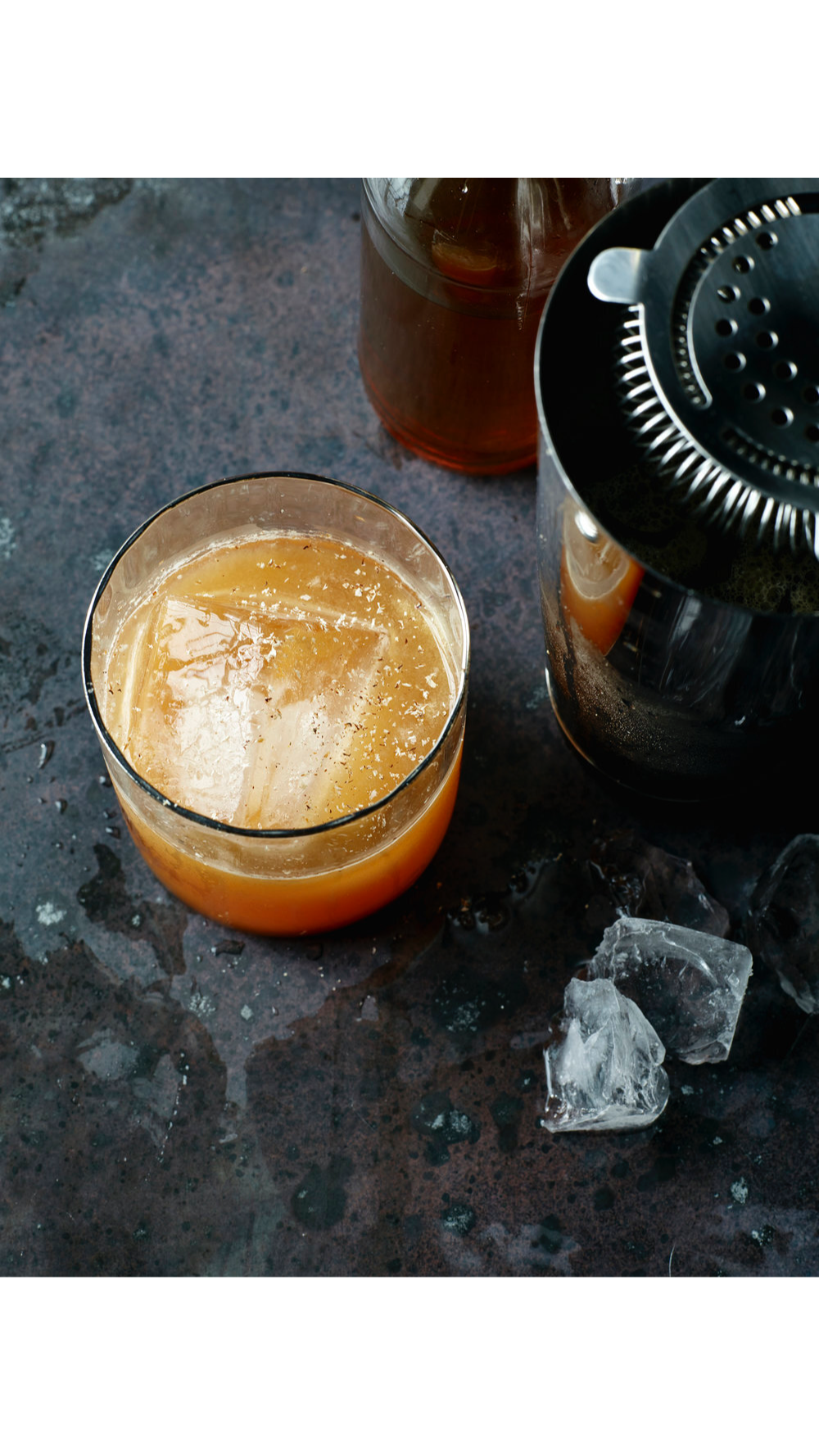
The cocktail market keeps expanding as more people want elevated drinking experiences beyond the ordinary. What started as a niche trend has grown into a worldwide movement that's changing how we think about mixed drinks.
Patrons are asking more questions about what separates a standard mixed drink from something more sophisticated. Whether you're curious about the craft behind your cocktail or just trying to understand why prices vary so much, knowing these differences helps you order smarter and appreciate what you're paying for, says a Lexington-based expert from Post 1917.
What Makes a Classic Cocktail Classic?
Classic cocktails follow tried-and-true recipes that haven't changed much over the years. Think of them as the reliable standards that every bartender knows by heart. These drinks stick to established formulas with consistent measurements and common ingredients, which means you'll get roughly the same martini or margarita whether you order it in Miami or Montana.
Their biggest strength is predictability. Because the recipes are so well-known and the techniques are straightforward, bartenders can mix them quickly without sacrificing quality. Most rely on standard spirits, basic mixers, and simple garnishes that any decent bar keeps in stock, which keeps costs down and service fast.
How Craft Cocktails Change the Game
Craft cocktails flip the script by making creativity and ingredient quality the main priorities. Instead of following a fixed recipe, bartenders treat each drink as a chance to experiment. House-made syrups replace artificial mixes, fresh-squeezed juices take the place of bottled versions, and small-batch spirits add unique flavor notes you won't find in mass-produced alcohol.
Time investment separates craft from classic more than anything else. While a classic drink takes maybe two minutes to prepare, a craft cocktail might need five to ten minutes of careful work. Bartenders muddle fresh herbs, smoke glassware for dramatic effect, create custom infusions, or use techniques borrowed from high-end kitchens to achieve specific textures and tastes that transform drinking into a multi-sensory experience.
The Details That Define Quality
Several specific factors create the gap between these two approaches, affecting everything from what you taste to what you pay:
- Ingredient sourcing matters tremendously—craft versions use fresh, often locally grown produce instead of pre-made mixes, creating brighter and more layered flavors
- Preparation demands differ wildly, with classic cocktails ready in under two minutes versus craft versions requiring much longer attention
- Customization becomes possible when bartenders adjust recipes based on your preferences or what's in season, rather than following rigid formulas
- Visual presentation elevates craft cocktails through unusual glassware, creative garnishes, and sometimes theatrical serving methods that make ordering feel special
Why the Price Gap Exists
Money becomes an issue because quality ingredients and skilled labor cost more than standard products and quick service. Most bars charge $8 to $12 for classic cocktails, while craft versions start around $15 and can easily hit $20 or more for complex creations. That premium isn't arbitrary—it reflects real differences in what goes into your glass.
Fresh ingredients expire faster and cost more than their processed alternatives. A bartender might juice citrus throughout the night, simmer syrups from scratch using organic sugar and fresh herbs, or purchase limited-release spirits from regional distilleries. Each of these choices increases both material and labor costs compared to simply pouring from a bottle of pre-mixed margarita base.
Choosing What Fits Your Moment
Neither style beats the other in every situation because context matters as much as quality. Classic cocktails work perfectly for casual meetups, quick drinks after work, or any time when efficiency trumps experimentation. Their familiar flavors deliver comfort without requiring you to decode a complex menu or wait while a bartender performs culinary theater.
Craft cocktails shine during occasions that deserve something memorable. Date nights, milestone celebrations, or evenings when you're in the mood to try something unexpected all benefit from investing in a carefully constructed drink. Beyond just taste, you're getting an experience that includes watching skilled professionals explain their creative process and ingredient selections.
Spotting Real Quality When You See It
Learning to recognize excellent cocktails starts with knowing what separates decent execution from genuine craftsmanship. Your eyes provide the first clues before you ever take a sip. Fresh garnishes look vibrant rather than wilted, clear ice maintains its structure instead of turning cloudy, and proportions appear balanced rather than showing too much mixer drowning out the spirit.
Smell tells you even more. Craft cocktails release layered aromas from fresh ingredients—citrus oils, herbal notes, subtle spices—while drinks made with artificial mixers often smell one-dimensional or cloyingly sweet. Then comes taste, which ultimately determines whether a cocktail succeeds or fails. Balanced drinks showcase each ingredient without letting any single element dominate, and craft versions should reveal different notes as you drink rather than tasting the same from first sip to last.
Why Bartender Skill Actually Matters
Training makes all the difference between someone who merely follows instructions and someone who creates something worth remembering. Professional cocktail education covers everything from proper ice handling to understanding how different spirits interact with modifiers like vermouth or bitters. This knowledge lets experienced bartenders fix imbalanced drinks on the fly, suggest alternatives when customers have allergies or preferences, and create custom cocktails that match individual tastes.
The craft movement has transformed bartending from basic service work into a respected culinary profession. Many now pursue certifications, travel to industry conferences, and constantly experiment with new techniques to sharpen their skills. Customers benefit directly through better drinks and more informed recommendations.
Finding Your Next Great Drink
The cocktail scene has grown considerably as more venues respond to customer demand for elevated experiences. When bartenders prioritize ingredient quality and proper technique, even familiar drinks taste noticeably better, and inventive creations showcase local flavors that reflect regional character and seasonal availability.
Post 1917 Lexington
City: Lexington
Address: 27 Waltham St
Website: https://www.post1917.com


Comments
Post a Comment