Concrete Overlay For Patio: Texas Expert Compares Materials & Techniques
Key Takeaways
- Polymer-modified cement overlays resist cracking better than standard concrete and perform well in extreme temperature conditions.
- Stamped overlays mimic expensive materials like natural stone at half the cost while delivering 5,000 PSI compressive strength.
- Surface preparation determines overlay success more than material choice, with proper cleaning and profiling being essential.
Cracked driveways and stained patios don't require full replacement to look new again. Instead, decorative concrete overlays transform damaged surfaces into beautiful outdoor spaces without tearing everything out, says Texas-based expert from Concrete Trends & Innovations.
Extreme heat, sudden temperature swings, and intense sun exposure make choosing overlay materials confusing for most homeowners. What works perfectly in mild climates often fails within years here, which is why understanding material differences matters so much.
Why Overlays Beat Complete Concrete Replacement
Why Overlays Beat Complete Concrete Replacement
Rather than demolition and pouring new slabs, overlays apply thin, specialized layers directly over existing concrete surfaces. Thickness ranges from one-eighth inch up to several inches, depending on your chosen material and specific application method.
Because your current concrete provides a stable foundation, the transformation happens in days instead of weeks. This approach saves significant money while offering more design options than starting from scratch, assuming the existing slab remains structurally sound.
The Concrete Overlay Types Every Homeowner Should Know
Each overlay category serves different purposes based on how you'll actually use the space. While some materials excel at hiding surface damage, others provide maximum strength for constant vehicle traffic and heavy daily use.
Polymer-Modified Cement Provides Flexible Strength
Adding advanced polymers to traditional cement creates overlays that bend rather than crack under stress and temperature changes. This flexibility becomes crucial during daily temperature swings that can stress rigid materials until they develop spiderweb cracks throughout the surface.
Beyond flexibility, these polymer-enhanced systems bond more aggressively to existing concrete while resisting damage from weather extremes. When properly maintained with resealing every fifteen years, these overlays commonly last fifteen to twenty years without major issues developing.
The material costs more upfront than basic cement products, but superior performance justifies the investment through reduced maintenance needs. Pool decks, patios, and driveways all benefit from this combination of strength and aesthetic versatility that handles both function and appearance equally well.
Stamped Overlays Mimic Premium Materials Affordably
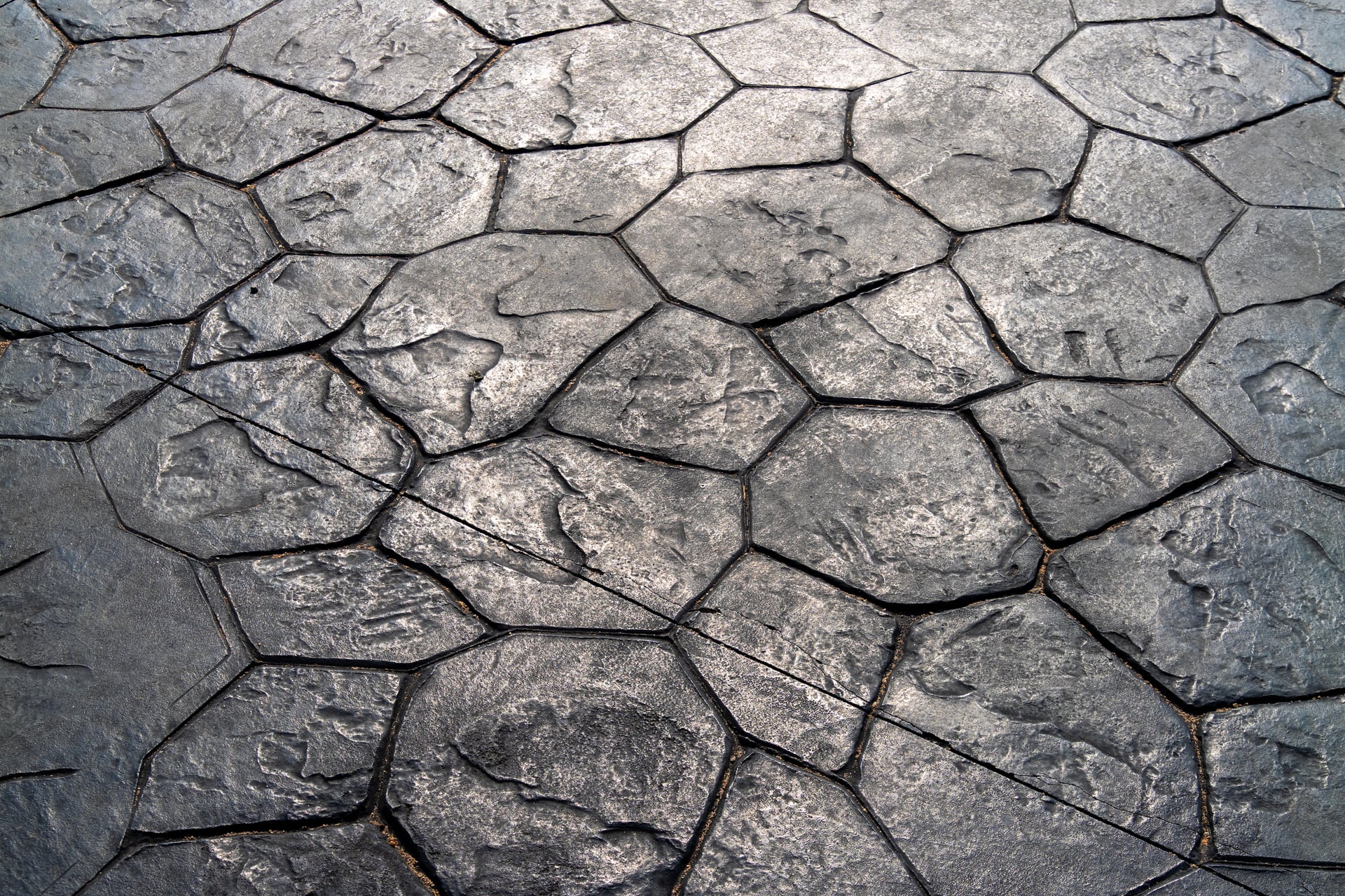
Creating the appearance of natural stone, brick, or slate becomes affordable when stamped concrete overlays replace those expensive actual materials. Installers apply specially formulated concrete layers and press textured stamps into the surface before it hardens, creating intricate patterns that fool most observers.
From subtle textures adding grip around pools to elaborate designs mimicking high-end flagstone, the customization options seem nearly endless. Color choices let you match existing landscape elements or create entirely fresh looks that transform outdoor spaces into custom showpieces.
Despite their decorative nature, stamped overlays handle serious abuse with compressive strength ratings up to 5,000 PSI for driveways seeing daily vehicle traffic. Maintenance includes twice-yearly cleaning and resealing every one to three years, depending on sun exposure levels, to preserve both protection and appearance.
Spray-Down and Microtopping Options
Specialized spray equipment applies modified concrete in various textures, from smooth to heavily textured, when creating spray-down toppings. These systems shine for pool decks and patios where slip resistance matters most, since the textured finish simultaneously hides minor imperfections in the underlying concrete.
Microtoppings go on even thinner at just one-eighth inch, yet still cover cracks, stains, and discoloration effectively for surface renewal. The ultra-thin application keeps these systems cost-effective while providing a protective coating that resists abrasions and extends the life of damaged concrete considerably.
Both options offer color customization and accept sealers for additional stain and weather protection throughout their eight to twelve-year lifespans. For homeowners wanting surface renewal without structural reinforcement, these thinner systems provide practical solutions that address cosmetic issues effectively.
How to Pick the Right Concrete Overlay
An honest assessment of how your outdoor spaces actually get used determines which overlay materials will perform reliably long-term. Decorative patios, seeing occasional gatherings, need completely different properties than driveways supporting multiple vehicles daily without fail.
Matching Materials to Traffic Loads
Vehicle weight demands overlay materials rated for at least 4,000 to 5,000 PSI compressive strength to avoid premature cracking and failure. Without adequate strength ratings, driveways develop problems quickly as repeated heavy loads break down insufficient materials over just months of normal use.
Pool decks fall between extremes since constant foot traffic differs dramatically from vehicle loads, though occasional furniture and gatherings add some stress. Meanwhile, patios and walkways work fine with lower strength ratings since they rarely support anything beyond people and lightweight outdoor furniture.
Weather Resistance Matters Tremendously
Extreme heat, intense UV bombardment, and occasional hard freezes all stress overlay materials in ways that milder climates never experience. Materials need flexibility for expansion and contraction during temperature swings while maintaining color integrity despite relentless sun exposure year after year.
Polymer-modified systems generally handle climate challenges better than rigid alternatives, offering superior flexibility that prevents cracking during temperature extremes throughout the seasons.
Installation, Maintenance, and Costs
- Surface Preparation: Even premium concrete overlays fail quickly when applied over poorly prepared concrete. Thorough cleaning and mechanical profiling are essential for strong bonding.
- Professional Installation: Installation usually takes one to three days, with curing times varying by material type and thickness. Proper scheduling ensures optimal performance.
- Long-Term Costs: Consider installation, materials, and ongoing maintenance such as cleaning and resealing. Quality installation saves money by avoiding premature failures.
Making Your Investment Count
Understanding overlay material differences helps you choose options matching your specific needs, budget, and maintenance preferences. When combined with realistic cost expectations and knowledge about quality workmanship indicators, you can make confident decisions, transforming damaged surfaces into beautiful spaces.
The right concrete overlay solution considers climate challenges, intended use patterns, and long-term maintenance requirements rather than just upfront costs. Working with experienced professionals ensures proper material selection and installation techniques that deliver decades of reliable performance instead of disappointing failures.
Concrete Trends and Innovations
City: El Lago
Address: 400 Lakeshore Drive
Website: https://concrete-setx.com


Comments
Post a Comment