Common SIBO Symptoms: Bacterial Overgrowth Symptoms & Root Causes Explained
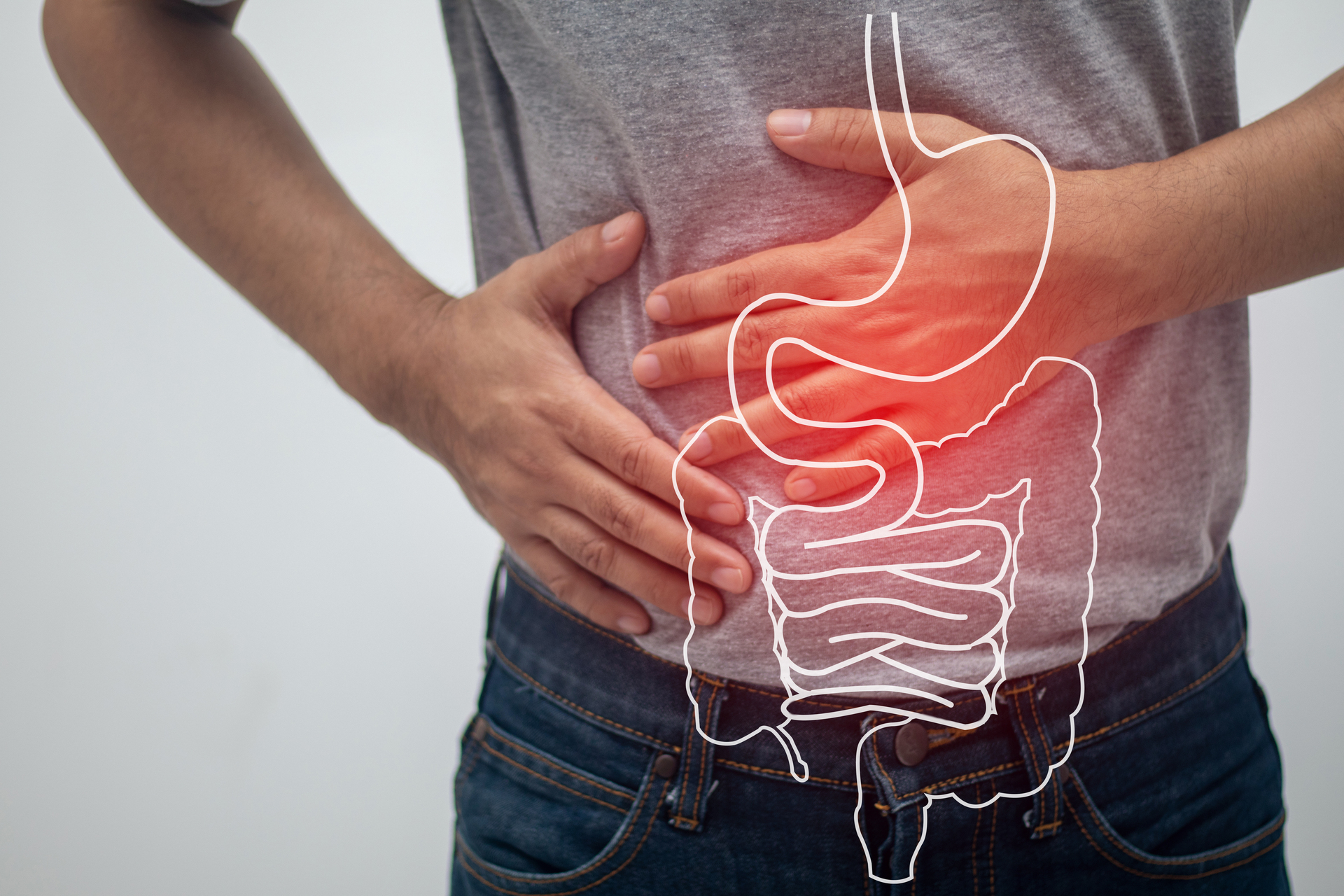
Key Takeaways:
- SIBO occurs when bacteria overgrow in the small intestine, a region that normally maintains low bacterial counts compared to the large bowel
- Common warning signs include persistent bloating, abdominal pain, excessive gas, and unexplained weight loss that often worsen after meals
- Root causes typically involve conditions that slow digestion, such as surgical complications, chronic diseases, or structural problems in the digestive tract
- Early diagnosis and root cause treatmentare needed to prevent serious complications like malnutrition and vitamin deficiencies
- Treatment options extend beyond antibiotics to include naturopathic herbal antimicrobials and strategic dietary modifications
Digestive health problems can be frustrating, especially when symptoms persist despite trying various remedies. Small Intestinal Bacterial Overgrowth (SIBO) represents one of the most commonly overlooked causes of chronic digestive distress, affecting millions of people who may not even realize they have it.
SIBO: When Your Small Intestine Becomes Overrun
Small Intestinal Bacterial Overgrowth (SIBO) is a condition where bacteria grow excessively in the small intestine, a region that typically maintains relatively few bacteria compared to the large bowel. The small intestine, measuring approximately 20 feet long, normally has rapid food transit and bile presence that keep bacterial populations low.
When circumstances slow the passage of food and waste products through the digestive tract, stagnant food creates an ideal breeding ground for bacteria. These excess bacteria produce toxins, interfere with nutrient absorption, and create breakdown products that trigger various uncomfortable symptoms. Functional testing can help identify SIBO and other underlying digestive imbalances that may be contributing to persistent symptoms.
The condition, sometimes called blind loop syndrome, commonly develops as a complication of abdominal surgery, but can also result from structural problems and various diseases that affect digestive motility.
Common Warning Signs Your Body Is Battling SIBO
SIBO symptoms often mimic other digestive disorders, making proper identification needed for effective treatment. The bacterial overgrowth produces gases, primarily hydrogen and methane, which create a cascade of uncomfortable symptoms throughout the digestive system.
Persistent Bloating After Meals
Bloating represents one of the most common SIBO symptoms, typically occurring 1-2 hours after eating meals rich in carbohydrates. This uncomfortable feeling of fullness results from gases produced when excess bacteria ferment food particles in the small intestine. Unlike occasional bloating from overeating, SIBO-related bloating tends to be predictable and severe.
Unexplained Abdominal Pain
As gases build up in the small intestine, they stretch the intestinal walls, causing significant abdominal pain. This pain can range from mild discomfort to severe episodes that interfere with daily activities. The pain often correlates with bloating episodes and may be relieved temporarily by passing gas or having a bowel movement.
Excessive Gas and Belching
SIBO causes dramatically increased gas production beyond normal levels. Patients experience excessive belching that can be uncomfortable and embarrassing, along with increased flatulence that may have a particularly strong odor. The gas must escape somewhere once it builds up in the small intestine, leading to these socially challenging symptoms.
Digestive Pattern Changes
Many SIBO patients experience alternating diarrhea and constipation, symptoms often attributed to irritable bowel syndrome (IBS). However, research suggests that some people diagnosed with IBS actually have underlying SIBO. The bacterial overgrowth disrupts normal digestive patterns and can cause unpredictable bowel movements.
Nausea and Loss of Appetite
Bacterial toxins and the uncomfortable fullness from gas production often trigger nausea, particularly after meals. This nausea, combined with the anticipation of post-meal discomfort, frequently leads to decreased appetite and reluctance to eat normal-sized meals.
Unintentional Weight Loss
As SIBO progresses, malabsorption of nutrients becomes increasingly problematic. The excess bacteria compete for available food sources while their metabolic products damage the intestinal lining. This combination results in poor nutrient absorption, leading to unintentional weight loss despite adequate food intake.
Hidden Root Causes Behind SIBO Development
Understanding SIBO's underlying causes proves necessary for effective treatment and prevention of recurrence. The condition rarely develops spontaneously; instead, it typically results from circumstances that disrupt normal digestive flow and bacterial balance.
Surgical Complications That Create Breeding Grounds
Abdominal surgery represents a primary risk factor for SIBO development. Procedures such as gastric bypass for obesity, gastrectomy for treating peptic ulcers or stomach cancer, and other intestinal surgeries can alter normal anatomy and motility patterns. Surgical adhesions—scar tissue that forms after surgery—can wrap around the small bowel and create areas where food stagnates, providing ideal conditions for bacterial overgrowth.
Chronic Conditions That Slow Digestion
Several medical conditions predispose individuals to SIBO by slowing intestinal motility. Diabetes can damage the nerves controlling digestive muscles, while hypothyroidism slows overall metabolic processes including digestion. Crohn's disease creates inflammation that disrupts normal intestinal function, and scleroderma affects connective tissue throughout the digestive tract. Celiac disease damages the intestinal lining, and chronic pancreatitis affects digestive enzyme production, all contributing to conditions favorable for bacterial overgrowth.
Structural Problems in Your Digestive Tract
Anatomical abnormalities can create pockets where food and bacteria accumulate. Intestinal diverticulosis forms bulging pouches that protrude through the intestinal wall, creating areas of stagnation. Abnormal passageways (fistulas) between different bowel segments can allow bacteria to migrate inappropriately. Previous radiation therapy to the abdomen can cause structural changes and motility problems that persist long after treatment completion.
Serious Long-Term Complications if Left Untreated
SIBO's complications extend far beyond digestive discomfort, potentially creating systemic health problems that affect multiple body systems. Early recognition and treatment become necessary to prevent these serious consequences.
Malnutrition and Dangerous Weight Loss
Excess bacteria in the small intestine break down bile salts normally needed for fat digestion, resulting in incomplete fat absorption and fatty stools. Bacterial products damage the intestinal lining (mucosa), further impairing absorption of carbohydrates and proteins. The bacteria also compete directly for available nutrients, while their toxic metabolic products trigger diarrhea. This combination leads to progressive malnutrition and significant weight loss that can become life-threatening if untreated.
Critical Vitamin Deficiencies
SIBO creates specific patterns of vitamin deficiency that can cause serious health consequences. Poor fat absorption prevents adequate uptake of fat-soluble vitamins A, D, E, and K. Vitamin B12 deficiency develops as bacteria consume this critical vitamin, leading to weakness, fatigue, tingling and numbness in hands and feet, and potentially irreversible nervous system damage including mental confusion. While some bacteria can synthesize B12, the overgrowth in SIBO typically leads to a deficiency for the host due to bacterial utilization. Poor calcium absorption from vitamin D deficiency eventually causes osteoporosis and increases kidney stone risk.
How SIBO Is Actually Diagnosed
Accurate SIBO diagnosis requires specific testing methods, as symptoms often overlap with other digestive conditions. Healthcare providers typically employ two main diagnostic approaches, each with distinct advantages and limitations.
Breath Testing: The Common Non-Invasive Method
The hydrogen and methane breath test represents the most widely used SIBO diagnostic method. Patients drink a sugar solution, then breathe into collection tubes over several hours. The test measures gases produced when bacteria ferment the sugar in the small intestine. Elevated hydrogen and methane levels indicate bacterial overgrowth. This test can be performed at home, making it convenient and accessible for most patients.
Small Intestine Aspirate: The Gold Standard
While breath tests are common, small intestine aspirate and fluid culture provides the most definitive SIBO diagnosis. This procedure involves obtaining fluid samples directly from the small intestine for bacterial culture and analysis. Though more invasive and requiring specialized facilities, this method offers the highest specificity and accuracy for confirming bacterial overgrowth.
Treatment Options Beyond Just Antibiotics
Effective SIBO treatment requires a multi-faceted approach that addresses both bacterial overgrowth and underlying causes. Multiple treatment modalities often work better than single interventions, particularly for preventing recurrence.
Conventional Antibiotic Protocols
Traditional SIBO treatment typically involves antibiotics such as Rifaximin, Metronidazole, or Neomycin. Rifaximin is particularly favored because it remains largely in the intestinal tract with minimal systemic absorption. However, antibiotics alone often fail to provide lasting relief, with high recurrence rates when underlying causes remain unaddressed.
Naturopathic Herbal Antimicrobials
Naturopathic approaches frequently incorporate herbal antimicrobials that can effectively inhibit pathogenic bacterial growth. Berberine, extracted from various plants, demonstrates powerful antimicrobial properties against intestinal bacteria. Oil of oregano contains compounds that disrupt bacterial cell walls, while neem offers broad-spectrum antimicrobial effects. Garlic provides allicin and other sulfur compounds that create an inhospitable environment for harmful bacteria. These botanical medicines may cause fewer side effects than conventional antibiotics while supporting overall digestive health, though individual responses can vary.
Strategic Dietary Modifications
Dietary interventions play a vital role in SIBO management by reducing fermentable substrates available to bacteria. Low FODMAP diets restrict fermentable oligosaccharides, disaccharides, monosaccharides, and polyols that feed bacterial overgrowth. Elemental diets provide pre-digested nutrients that absorb quickly, starving bacteria in the small intestine. Elimination diets help identify specific trigger foods that worsen symptoms, allowing for personalized dietary approaches.
SIBO Requires Root Cause Treatment to Prevent Recurrence
SIBO has notably high recurrence rates, especially when treated with antibiotics alone without addressing underlying causes. Successful long-term management requires identifying and correcting the initial factors that allowed bacterial overgrowth to develop.
Root cause treatment might involve managing underlying conditions like diabetes or hypothyroidism, addressing structural problems through surgical correction, or implementing prokinetic agents to improve intestinal motility. Lifestyle modifications, including stress management, regular physical activity, and proper meal timing, can support healthy digestive function.
Prevention strategies focus on maintaining optimal digestive health through careful consideration of medications (recognizing that prolonged use of proton pump inhibitors can be a risk factor), supporting beneficial gut bacteria through targeted probiotic therapy, and avoiding unnecessary antibiotic use that disrupts normal intestinal balance.
For evaluation and personalized SIBO treatment approaches, experienced clinics offer specialized naturopathic care to address digestive health challenges and underlying causes.
Healthflow Naturopathic
City: Calgary
Address: 2204 2 Street Southwest
Website: https://healthflow.ca/


Comments
Post a Comment