Columbia SC Water Heater Replacement Cost Guide 2026
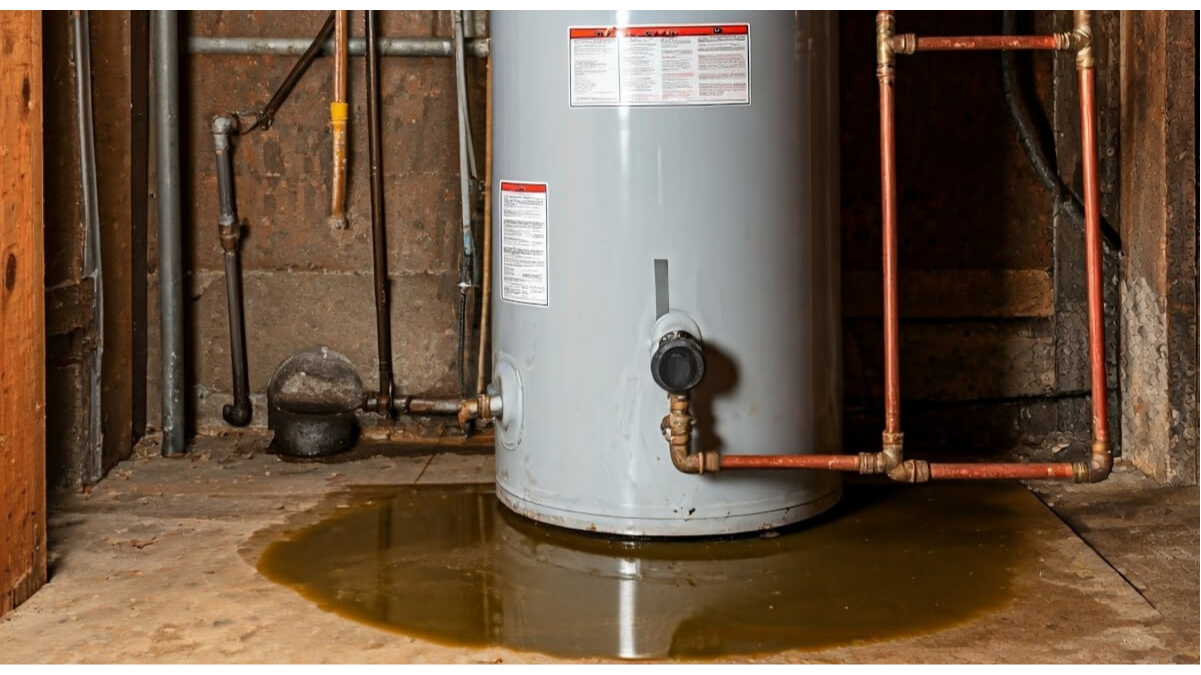
Key Takeaways:
- Water heater replacement in Columbia, SC typically costs $1,000-$3,000 for standard tanks and $1,400-$3,900 for tankless systems, including installation
- Columbia requires permits for virtually all water heater replacements, with fees starting at $50-$75 and potential fines up to $1,000 for non-compliance
- Heat pump water heaters qualify for significant rebates including $400 from Dominion Energy and up to $1,750 from federal HEAR programs
- Rising electricity rates of 15.7¢/kWh in Columbia make gas water heaters 50-70% cheaper to operate annually than electric tanks
- Older Columbia homes often require additional upgrades for electrical panels, gas lines, or venting, adding $500-$3,000 to total costs
Planning a water heater replacement in Columbia involves more than just picking a unit from the store. Between rising energy costs, strict local codes, and valuable rebate opportunities, homeowners need detailed guidance to make smart investment decisions that will serve them well through 2026 and beyond.
Water Heater Replacement Costs: What Columbia Homeowners Pay in 2026
Columbia homeowners can expect to invest $1,000 to $3,000 for standard tank water heater replacements, with costs varying significantly based on unit type, installation complexity, and local factors. A typical 50-gallon gas tank installation averages $1,100-$1,300, including removal of the old unit and basic piping connections. Electric tanks fall within a similar range at $800-$2,500, though installation tends to be less complex.
Tankless systems represent a substantial step up in both performance and price, ranging from $1,400-$3,900 installed. The higher costs reflect increased labor complexity, with installation taking 6-10 hours compared to 2-4 hours for tank replacements. Heat pump water heaters occupy the middle ground at $2,500-$5,000, offering energy efficiency that can dramatically reduce operating costs over time.
Labor comprises roughly 50% of total project costs, typically running $150-$450 for standard tank installations or $600-$1,850 for tankless systems. Understanding Columbia's permit requirements becomes vital since nearly all replacements require city approval, adding $50-$300 to project budgets but ensuring safety and code compliance.
Mandatory Permits and Columbia's Code Requirements
Required Permit Types and Fees
Columbia requires permits for virtually all water heater work, including like-for-like replacements, fuel conversions, relocations, and new installations. The city's Planning & Development Services department processes applications online or at their Washington Street office, with base residential plumbing permits starting at $50-$75. Gas conversions or venting modifications trigger additional mechanical permits ($100-$200), while electrical work demands separate electrical permits with similar fees.
Emergency replacements receive some flexibility, allowing next-day permit filing, but skipping permits entirely carries serious consequences. Fines reach $1,000 plus the cost of bringing work up to code, and insurance companies may deny claims for unpermitted installations. Even experienced DIY homeowners should consider professional installation for rental properties or complex modifications, as licensing requirements become stricter beyond primary residences.
2021 South Carolina Plumbing Code Compliance
The 2021 South Carolina Plumbing Code, based on the International Plumbing Code with state amendments, establishes specific safety requirements for water heater installations. Temperature and pressure relief valves must discharge through pipes terminating no more than 6 inches above floors or drains, without threads, valves, or tees that could create dangerous blockages. Expansion tanks become mandatory on closed water systems to prevent dangerous pressure buildup.
Gas units face additional requirements including dedicated combustion air vents, Type B double-wall venting with 1-inch clearances to combustible materials, and proper termination at least 12 inches above roofs. Garage installations must raise ignition sources 18 inches above floor level, while bedroom or bathroom locations require sealed enclosures. These requirements aim to prevent carbon monoxide poisoning, explosions, and structural damage from leaks.
Inspection Process and Common Failures
Columbia schedules inspections through their online portal, requiring requests before 3 PM for next-day appointments. Plumbing inspections verify connections, relief valve discharge piping, drain pans, and seismic strapping, while gas and electrical work trigger separate inspections. Common failure points include improper T&P valve installations, missing expansion tanks or seismic straps, and inadequate venting clearances.
Professional installers pass first-time inspections more reliably than DIY projects, understanding code nuances that catch homeowners off-guard. Failed inspections require corrections and re-inspection fees, potentially extending project timelines and costs. The investment in professional installation typically pays for itself through warranty coverage, insurance protection, and code compliance assurance.
Cost Factors That Impact Your Total Investment
Tank vs. Tankless vs. Heat Pump Pricing
Traditional tank water heaters offer the most budget-friendly entry point, with 40-gallon units suitable for 1-3 people averaging $800-$2,300 installed, while 50-gallon models for families of 3-5 range from $800-$2,500. These systems provide reliable performance with straightforward installation requirements, making them popular choices for direct replacements.
Tankless systems command premium pricing due to their on-demand heating technology and installation complexity. Gas tankless units typically cost $2,800-$3,900 installed, requiring gas line upgrades and sophisticated venting systems. Electric tankless models range from $1,400-$3,000 but demand substantial electrical upgrades, often requiring 60-120 amp circuits that stress older home electrical systems.
Heat pump water heaters represent the efficiency middle ground at $2,500-$5,000 installed. These units extract heat from ambient air, achieving 60-70% energy savings compared to standard electric tanks. While requiring dedicated 240V circuits and adequate clearance space, they qualify for substantial rebates that can offset higher upfront costs within 3-5 years.
Older Home Challenges and Hidden Costs
Columbia's pre-1980s housing stock presents unique challenges during water heater replacements. Tight utility closets, corroded galvanized piping, and outdated electrical systems frequently require expensive upgrades. Space constraints may necessitate unit relocation, adding $150-$3,400 in additional piping and labor costs.
Galvanized pipes common in older homes often fail during replacement projects, requiring updates to PEX or copper piping that can cost $260-$2,300. Hard water conditions throughout the Columbia area accelerate corrosion and sediment buildup, sometimes revealing hidden damage only after old units are removed. These surprise discoveries can add 20-50% to project budgets.
Historic district properties face additional restrictions on exterior modifications, potentially limiting venting options or requiring special approvals for visible changes. Foundation settling and non-standard framing can complicate installations, requiring custom solutions that increase both time and material costs.
Electrical and Gas System Upgrades
Electrical upgrades represent a major cost factor for homes switching to electric water heaters or installing high-demand units. Standard electric tanks require 25-30 amp circuits with #10 wire, typically costing $300-$800 for new dedicated circuits. Tankless electric units demand 60-120 amp service, often necessitating panel upgrades from 100 to 200 amps at costs ranging from $1,800-$4,500.
Gas system modifications can be equally expensive, particularly for homes converting from electric or upgrading to high-efficiency units. New gas lines, sediment traps, and upgraded venting systems can add $300-$1,000 to project costs. Older homes may lack proper gas shutoffs or require line sizing upgrades to support modern appliances safely.
How Columbia's Rising 15.7¢/kWh Electricity Rates Affect Your Choice
Operating Cost Comparison by Fuel Type
Columbia's electricity rates, averaging 15.7¢/kWh through Dominion Energy in early 2026, significantly impact water heater operating economics. A standard 50-gallon electric tank consuming 4,500 kWh annually costs approximately $706 to operate, while heat pump units using 2,200 kWh cost around $345 yearly. These rates match South Carolina's statewide average of approximately 15.7¢/kWh, making fuel choice decisions particularly important for long-term savings.
Natural gas maintains a significant cost advantage at approximately $1.58/therm, with typical annual consumption of 200 therms resulting in $316 operating costs. This represents 50-70% savings compared to electric tanks, though gas units require venting infrastructure and regular maintenance. The gap between electric and gas operating costs continues widening as utility rates climb.
Long-Term Savings Analysis
Ten-year operating cost projections reveal substantial differences between fuel types. Electric tank systems total approximately $7,060 in energy costs over their lifespan, while gas units consume roughly $3,160 worth of fuel. Heat pump water heaters fall between these extremes at $3,450 in electricity costs, though federal tax credits and utility rebates can dramatically improve their economics.
Time-of-use electrical rates offer some relief for electric water heater users, with lower nighttime rates reducing costs for households that can shift usage patterns. However, peak demand charges during Columbia's hot summer months can offset these savings, making fuel choice a vital long-term financial decision.
Available Rebates and Incentives for 2026
Dominion Energy's $400 Heat Pump Water Heater Rebate
Dominion Energy South Carolina offers $400 rebates for ENERGY STAR-certified heat pump water heaters installed by licensed plumbers as replacements for existing electric units. The program requires AHRI certification documentation, installation photos, and invoice submission within 90 days of completion. Applications process within 4-6 weeks, though funding limitations may create waiting lists during peak seasons.
Eligible customers must use South Carolina licensed contractors and replace like-for-like electric units—fuel conversions don't qualify. The rebate applies to both residential and small commercial installations, with no limit on household participation provided installations meet program requirements. Combined with federal incentives, these rebates can reduce net installation costs by 30-50%.
Federal HEAR Program Rebates Up to $1,750
The federal High-Efficiency Electric Home Rebate Act (HEEHRA) program provides point-of-sale rebates up to $1,750 for heat pump water heater installations, scaling with household income levels. Households with incomes below 80% of area median income can receive 100% of the cost up to $1,750, while those between 80% and 150% AMI can receive 50% of the cost up to $1,750. These rebates complement existing federal tax credits, creating substantial savings opportunities.
The Energy Efficient Home Improvement Credit offers 30% tax credits up to $2,000 annually for heat pump water heater installations through 2032. Unlike rebates that require upfront payment, tax credits reduce year-end tax obligations, making high-efficiency units more accessible to middle-income households. Combined incentives can reduce effective costs by $2,500-$3,750.
Application Requirements and Deadlines
Successful rebate applications require specific documentation including ENERGY STAR certification, AHRI certificates proving efficiency ratings, contractor licensing verification, and detailed installation invoices. Dominion Energy applications must include installation photos showing unit nameplates and proper setup, while federal programs require income documentation and tax filing coordination.
Application deadlines vary by program, with utility rebates typically requiring 90-day submission windows and federal tax credits claimed during annual filing. Incomplete applications delay processing or result in denials, making professional installer familiarity with rebate requirements valuable. Many contractors handle paperwork as part of their service packages.
Sizing Your Water Heater for Columbia's Climate
Household Size and Peak Demand Calculations
Proper water heater sizing starts with understanding household peak demand during busy morning or evening hours. Columbia's mild winters mean incoming water temperatures average around 55°F, requiring less energy to reach comfortable 120°F output temperatures compared to northern climates. This regional advantage slightly reduces capacity requirements while maintaining adequate hot water supply.
Standard sizing recommendations suggest 30-40 gallon tanks for 1-2 people, 40-50 gallons for families of 3-4, and 50+ gallons for larger households. However, usage patterns matter more than headcount—families with teenagers, frequent laundry loads, or multiple bathrooms may need larger capacities. First-hour rating (FHR) calculations help match tank capacity to actual demand patterns.
Peak demand calculation involves tracking simultaneous usage during busy periods. Three morning showers (60 gallons), dishwasher cycle (7 gallons), and washing machine load (15 gallons) total 82 gallons, requiring tanks with 80+ gallon FHR capacity. Modern low-flow fixtures reduce these requirements, potentially allowing smaller, more efficient units.
Tankless Flow Rate Requirements
Tankless sizing focuses on gallon-per-minute (GPM) flow rates rather than storage capacity. Columbia's 55°F groundwater requires 65°F temperature rise to reach 120°F output, determining unit sizing requirements. Simultaneous fixture usage drives capacity needs: shower (2-2.5 GPM), bathroom faucet (0.75-1.5 GPM), kitchen sink (1-1.5 GPM), washing machine (2-3 GPM).
Most Columbia households need 3-5 GPM tankless capacity for typical usage patterns, though families with multiple bathrooms or high-demand appliances may require 6-8 GPM units. Gas tankless systems generally provide higher flow rates than electric models, making them preferable for large families or homes with multiple simultaneous users.
Get Professional Installation to Maximize Your Investment
Professional installation ensures code compliance, warranty protection, and optimal system performance while avoiding costly mistakes that plague DIY projects. Licensed installers understand Columbia's specific requirements, from permit procedures to inspection protocols, streamlining project timelines and reducing stress. Their experience with local conditions—hard water, older home challenges, utility rebate requirements—proves invaluable for complex installations.
Quality installation extends equipment lifespan, maintains manufacturer warranties, and provides insurance protection that DIY work often compromises. Professional installers carry licensing, bonding, and insurance coverage that protects homeowners from liability while ensuring work meets current safety standards. Many offer maintenance packages that preserve efficiency and catch problems early.
For expert guidance on Columbia's water heater replacement requirements and professional installation services, contact Plumb Time Plumbing & Drain Services.
Plumb Time Plumbing & Drain Services
City: Columbia
Address: 3513 Delree St
Website: https://www.plumbtimesc.com/


Comments
Post a Comment