Clean Workplace Impact On Employee Productivity: MI Expert Shares Insights
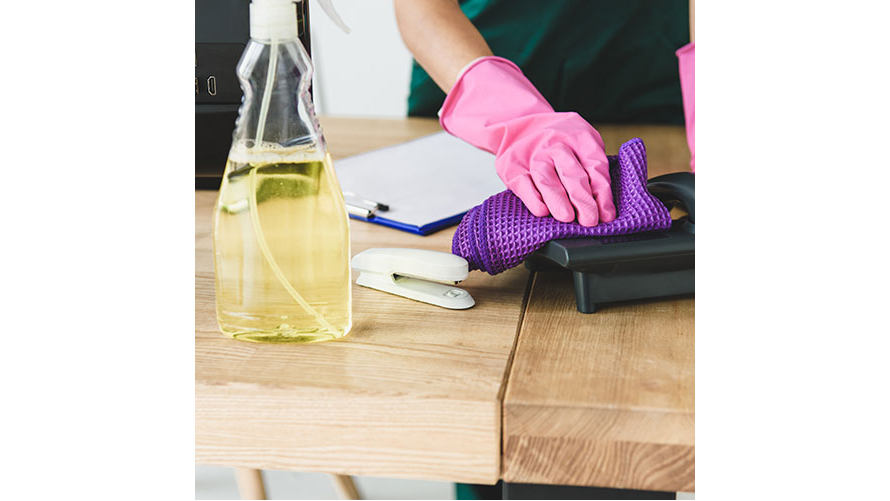
A growing body of workplace research shows that cleanliness is not just about appearance. It has measurable effects on how people think, feel, and perform throughout the workday.
Surveys from the International Sanitary Supply Association and new findings in cognitive psychology both point to the same conclusion that clean workplaces support sharper focus, better emotional well-being, and a stronger sense of professionalism. For many businesses, cleanliness is an essential but often overlooked contributor to workplace performance.
A Clearer Space Supports a Clearer Mind
One of the strongest links between cleanliness and productivity comes down to cognitive load. Cluttered desks, dusty surfaces, and disorganized shared areas create competing stimuli that force the brain to work harder. Neuroscience studies from Princeton University have shown that visual clutter reduces the brain’s ability to process information, making tasks take longer, and increasing mental fatigue.
In contrast, orderly spaces help employees maintain mental clarity. Workers can shift between tasks more smoothly, make decisions faster, and stay focused for longer periods. A clean office sets the stage for uninterrupted concentration, something increasingly valuable in environments that already battle digital distractions.
Cleanliness also plays a role in stress reduction. Indoor mess and lingering dirt create subtle but persistent tension, even if people don’t consciously notice it. A visually organized space communicates safety and stability, which helps regulate mood and supports better emotional well-being throughout the day.
Healthier Workplaces Mean Fewer Sick Days
Clean work environments are more than mentally refreshing; they also play a major role in preventing illness. High-touch areas such as restrooms, breakrooms, doorknobs, and conference tables are hotspots for bacteria and viruses. Without consistent sanitation, these areas increase the risk of colds, respiratory infections, and seasonal illnesses, especially during fall and winter.
Workplace health issues are closely tied to productivity. When employees get sick repeatedly, teams face staffing gaps, slower turnaround times, and increased workloads for others. Cleaning that targets shared surfaces reduces germ transmission and supports more consistent attendance.
Dust buildup, dirty vents, and neglected carpets contribute to headaches, fatigue, and irritation, all factors that lower overall energy levels. Regular cleaning improves indoor air conditions, allowing employees to stay alert and comfortable throughout the day.
First Impressions Shape Behavior and Productivity
Workplace appearance significantly influences employee behavior. The moment people walk into an office, whether it’s a small professional suite or a larger corporate space, they take subconscious cues from their surroundings. A tidy, well-kept environment signals professionalism and sets clear expectations for how work should be approached.
Researchers refer to this as “environmental priming.” Clean surroundings promote calm, order, and responsibility, while disorganized or dirty spaces can dampen motivation. Employees working in freshly maintained offices tend to treat equipment better, stay more organized, and maintain higher personal standards throughout the day.
This extends to client-facing areas as well. Clean lobbies, restrooms, and meeting rooms shape visitors’ perceptions of professionalism and reliability. When teams know that clients form impressions based on the environment, they often take greater pride in their workplace, reinforcing a positive cycle of care and attention.
High-Traffic Spaces Have Outsized Impact
Some areas of the workplace influence productivity more than others. These include:
- Restrooms, which affect both hygiene and overall comfort
- Lobbies, where both employees and guests form immediate impressions
- Breakrooms, where clutter can undermine the restorative purpose of breaks
- Conference rooms, which support collaboration and require clean surfaces for meetings
Because these areas see constant use, they accumulate dirt more quickly and can impact morale when neglected. Regular cleaning of these zones helps create a smooth, predictable work environment where employees can focus without distraction.
Seasonal deep cleaning further complements daily maintenance. In regions like Grand Rapids, where winter brings increased indoor time, fall and spring deep cleans help remove carpet buildup, salt residue, and dust that don’t always show up during routine cleaning. A refreshed environment at the start of each season provides a psychological reset that boosts performance and reduces clutter fatigue.
Consistency Matters More Than Occasional Cleaning
While one-time cleanings can make a space look refreshed, productivity benefits come from consistency. Employees rely on predictable, stable conditions to perform well. Knowing that lobbies, desks, restrooms, and common areas are regularly maintained helps reduce friction in the workday, no overflowing trash bins, no dusty shelves, no unpleasant odors, and no clutter interrupting workflow.
A regular cleaning schedule also extends the life of flooring, furniture, and fixtures. This keeps the workplace feeling cared-for, which influences how people treat the environment in return. Consistency signals that the business values its workspace, and by extension, its workforce.
How Cleanliness Shapes Organizational Culture
Cleanliness contributes to more than the physical environment; it influences organizational identity. A workplace that prioritizes hygiene and order creates a culture of accountability. Employees feel valued when their environment is well-maintained, which boosts engagement and loyalty.
Research in workplace psychology shows that employees in clean spaces report higher levels of job satisfaction and are more likely to exhibit initiative. When businesses invest in a welcoming, sanitary environment, it communicates respect, and that message carries weight.
Beyond individual behavior, clean environments also strengthen team collaboration. In common areas that feel open and orderly, employees are more comfortable engaging with one another, sharing ideas, and meeting to solve problems together.
When Professional Cleaning Makes a Measurable Difference
While employees can manage light tidying, some areas require trained professionals, particularly restrooms, entryways, carpets, and multi-use rooms. High-traffic floors, disinfecting protocols, and specialty cleaning methods often go beyond what in-house teams can maintain consistently.
Many businesses rely on bonded and insured cleaning teams to handle ongoing office upkeep. This ensures a consistent standard of care, improves sanitation quality, and helps maintain a healthy workplace environment throughout the week. Regular, professional cleaning also frees employees to focus on their roles without worrying about maintenance responsibilities.
A Clean Workplace Is a Productivity Tool
A clean workspace is far more than a cosmetic preference; it’s a foundational part of productivity, health, and employee satisfaction. Cleanliness shapes mental clarity, reduces stress, improves air quality, and strengthens professional culture.
Clean workplaces encourage better focus, healthier teams, and a more motivated workforce. As research continues to highlight the psychological and operational impacts of cleanliness, businesses are increasingly recognizing that maintaining a clean environment is not an afterthought, but a vital part of modern workplace strategy.
Clean Corners LLC
City: Grand Rapids
Address: 4445 44th Street Southeast
Website: https://mycleancorners.com/
Phone: +16166447991
Email: rbarrett1844@gmail.com


Comments
Post a Comment