Best Scalp Massages for Hair Growth: Tips & Growth Serum Recommendations
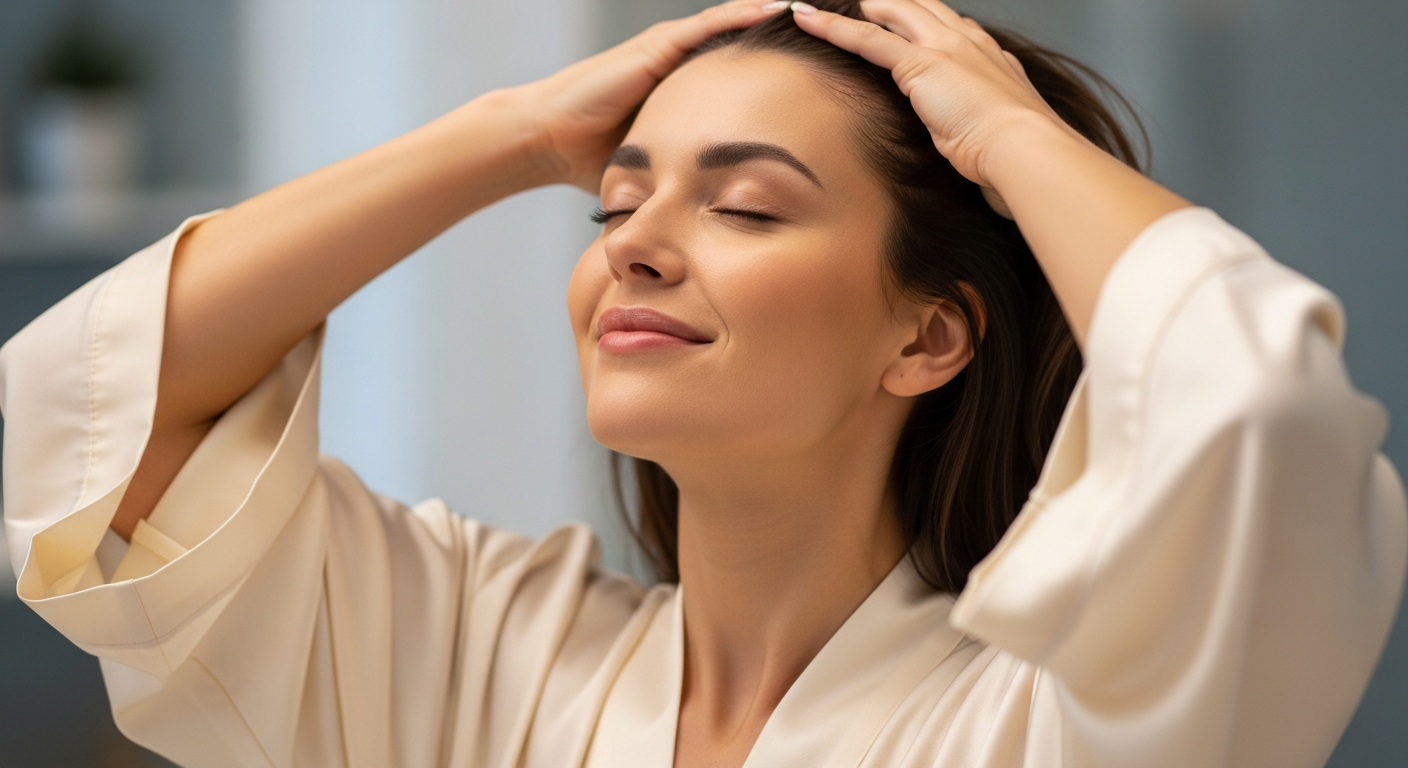
Key Takeaways:
- Daily scalp massage can increase blood flow by up to 25-54% and improve hair thickness by approximately 8% through enhanced circulation and follicle stimulation
- Scientific research shows 69% of people with hair loss experienced improvement after consistent scalp massage over 7.5 months
- Four effective massage techniques—circular motion, kneading, oil-infused, and serum-enhanced—provide beneficial results for hair growth
- Consistency matters more than intensity: gentle daily sessions of 5-20 minutes prevent overstimulation while promoting growth
- Combining massage with targeted hair growth serums can enhance nutrient delivery to follicles
Scalp massage represents one of the most accessible yet scientifically-backed approaches to improving hair growth naturally. While many people struggle with thinning hair or slow growth, the solution often lies literally at their fingertips. Understanding the proper techniques and science behind scalp stimulation can transform anyone's hair care routine from basic maintenance to active growth promotion.
Daily Scalp Massage Can Increase Hair Thickness and Improve Scalp Blood Flow
Research demonstrates that regular scalp massage produces measurable improvements in hair health. A groundbreaking 2016 study revealed that just four minutes of daily scalp massage for 24 weeks resulted in approximately 8% increase in hair thickness. This finding gained further validation through a 2019 survey of 340 participants, where approximately 69% of individuals reported significant improvements in alopecia symptoms.
The mechanism behind these results centers on enhanced circulation. Scalp massage increases blood flow to hair follicles by an impressive 25% to 54%, creating an optimal environment for growth. This improved circulation ensures that follicles receive essential oxygen and nutrients required for healthy hair production. Understanding which hair growth serums work best with massage techniques can help maximize these circulation benefits.
Beyond circulation improvements, daily massage helps balance the scalp's natural oil production. This balance prevents both excessive dryness and greasiness while supporting a healthy scalp microbiome—the foundation for strong, resilient hair growth.
The Science Behind How Scalp Massage Stimulates Hair Follicles
Enhanced Blood Flow Delivers Essential Nutrients
Blood circulation serves as the highway for nutrient delivery to hair follicles. When massage stimulates blood vessels beneath the scalp, it creates a direct pathway for vitamins, minerals, and oxygen to reach the root level where hair growth begins. This process mirrors how exercise benefits overall health—increased blood flow means better cellular function.
The scalp's unique anatomy makes it particularly responsive to massage stimulation. Unlike other areas of the body, the scalp contains dense concentrations of hair follicles and blood vessels positioned close to the surface. This proximity allows massage to have immediate and measurable effects on circulation patterns.
Physical Stretching Activates Growth Genes
Mechanical stimulation through massage creates physical stretching of hair follicle cells. This stretching action triggers biological responses that can activate hair-growth-related genes within the follicles themselves. The process demonstrates how external physical manipulation can influence internal genetic expression.
This cellular stretching also stimulates collagen production in the scalp tissue. Increased collagen provides structural support for hair follicles, creating a stronger foundation for hair growth and reducing the likelihood of follicle miniaturization—a common cause of hair thinning.
Stress Reduction Lowers Hair Loss Hormones
Chronic stress contributes significantly to hair loss through elevated cortisol levels. Scalp massage provides a natural stress-reduction mechanism that helps lower these harmful hormones. The relaxation response triggered by massage creates a cascade of positive hormonal changes that benefit hair health.
Regular massage sessions promote the release of endorphins—the body's natural stress-fighting compounds. This biochemical shift not only improves overall well-being but creates an internal environment more conducive to healthy hair growth by reducing inflammation and hormonal imbalances that contribute to hair loss.
Effective Massage Techniques for Optimal Results
1. Circular Motion Method
The circular motion technique forms the foundation of effective scalp massage. Begin by sectioning hair to access the entire scalp surface. Using fingertip pads, apply gentle pressure while moving in small circular patterns. Start at the front hairline and systematically work toward the crown, sides, and back of the neck.
This method can take 10-15 minutes to cover the entire scalp thoroughly, though shorter durations like 5 minutes are also beneficial. The key lies in maintaining consistent pressure—firm enough to move the scalp tissue but gentle enough to avoid irritation. Many people make the mistake of pressing too hard, which can damage delicate follicles rather than stimulate them.
2. Kneading Technique
The kneading approach mimics bread-making motions, using a lifting and releasing action across different scalp sections. Position fingertips firmly against the scalp and gently lift the tissue before releasing and moving to the next area. This technique particularly excels at relieving tension stored in scalp muscles.
Work systematically from front to back, spending extra time on areas that feel tight or tender. The kneading motion helps redistribute natural scalp oils while providing deeper tissue stimulation than circular movements alone. This technique proves especially beneficial for people who carry stress in their head and neck muscles.
3. Oil-Infused Massage
Incorporating natural oils amplifies massage benefits through enhanced glide and additional nourishment. Jojoba, argan, and castor oils are often recommended for their nourishing properties and ability to be absorbed well by the scalp and hair without leaving excessive residue. Warm a small amount between palms before application.
Oil massage allows for longer sessions without causing friction or irritation. The oils also provide direct nourishment to both scalp and hair shaft, addressing dryness while facilitating better massage techniques. Leave oils on for 30-60 minutes before washing with a sulfate-free shampoo to maintain the benefits without buildup.
4. Combine Massage With Hair Growth Serum
The most effective approach combines massage with targeted hair growth serums containing active ingredients like copper peptides, growth factors, or botanical extracts. Massage can enhance serum absorption, ensuring deeper penetration of beneficial compounds directly into follicles.
Several top brand serums - such as Vegamour, with its focus on plant-based botanicals, Divi and its scientific approach, and Trybello which combines science with natural ingredients - are available and designed to target hair health and growth. Their impact is greatly improved by massaging the serum into the hair and scalp.
Apply serums to sectioned hair before beginning massage routines. The mechanical action helps distribute products evenly while the increased blood flow improves ingredient uptake. This combination approach addresses hair growth from multiple angles—mechanical stimulation, improved circulation, and targeted nutritional support.
Essential Tools and Equipment
Manual vs Electric Massagers
Manual massage using fingertips is a highly effective and safe option for daily scalp care, offering complete control over pressure and allowing for intuitive adjustment based on scalp sensitivity. Electric massagers can supplement manual techniques but should never replace the nuanced touch that fingers provide.
Quality electric devices offer convenience for people with limited hand mobility or time constraints. However, they require careful selection to avoid overstimulation. Look for devices with multiple speed settings and soft, rounded contact points that won't damage delicate scalp tissue.
Best Brush Types for Safe Stimulation
Bamboo paddle brushes with wooden bristles provide excellent mechanical stimulation without the harshness of plastic or metal alternatives. These natural materials offer the right balance of firmness and flexibility for effective scalp massage while detangling.
Silicone scalp brushes designed for shower use require caution due to their potential for creating excessive pulling when used on wet hair. If choosing silicone options, ensure they feature soft, flexible bristles and use them primarily on dry hair with appropriate oils or serums for lubrication.
When And How Often Should Women Massage Their Scalp
Consistent Daily Sessions, Typically 5-20 Minutes
Optimal results require consistent daily practice rather than intensive occasional sessions. Research supporting scalp massage benefits typically involves consistent daily sessions, often ranging from 5-20 minutes, performed over several months, with some studies showing benefits from as little as 4 minutes daily. This consistency allows for cumulative effects on circulation and follicle health.
The best timing often depends on individual schedules, but many people find evening sessions particularly beneficial for stress relief and improved sleep quality. Morning sessions can energize the scalp for the day ahead, while evening massage promotes relaxation and better rest.
Avoiding Overstimulation and Scalp Damage
Overstimulation poses a real risk when people become overly enthusiastic about massage benefits. Excessive pressure or frequency can irritate the scalp, disrupt natural oil balance, and potentially damage follicles. Signs of overstimulation include increased scalp sensitivity, excessive oil production, or irritation.
Gentle, consistent pressure proves far more effective than aggressive manipulation. The scalp should feel relaxed and slightly warm after massage, never sore or irritated. People with sensitive scalps should start with shorter 5-minute sessions and gradually increase duration as tolerance builds.
Relax And Start A 5-Month Hair Growth Journey Today
Beginning a scalp massage routine represents an investment in long-term hair health rather than a quick fix. Most research indicates that noticeable improvements in hair thickness and growth patterns become apparent after 5-7 months of consistent practice. This timeline aligns with natural hair growth cycles and the time required for follicles to respond to improved conditions.
The journey requires patience but offers benefits beyond hair growth, including stress reduction, improved scalp health, and a relaxing daily ritual that enhances overall well-being. Starting with realistic expectations and commitment to consistency sets the foundation for success.
Many people find that combining massage with other healthy hair practices—proper nutrition, adequate sleep, and quality hair care products—amplifies results significantly. The holistic approach addresses hair growth from multiple angles, creating optimal conditions for the thick, healthy hair everyone desires.
Trybello LLC
City: Miami
Address: 40 SW 13th St
Website: https://trybello.com/


Comments
Post a Comment