Best Fertilizer For Vegetable Gardens After Planting: Manure, Kelp, Or NPK?
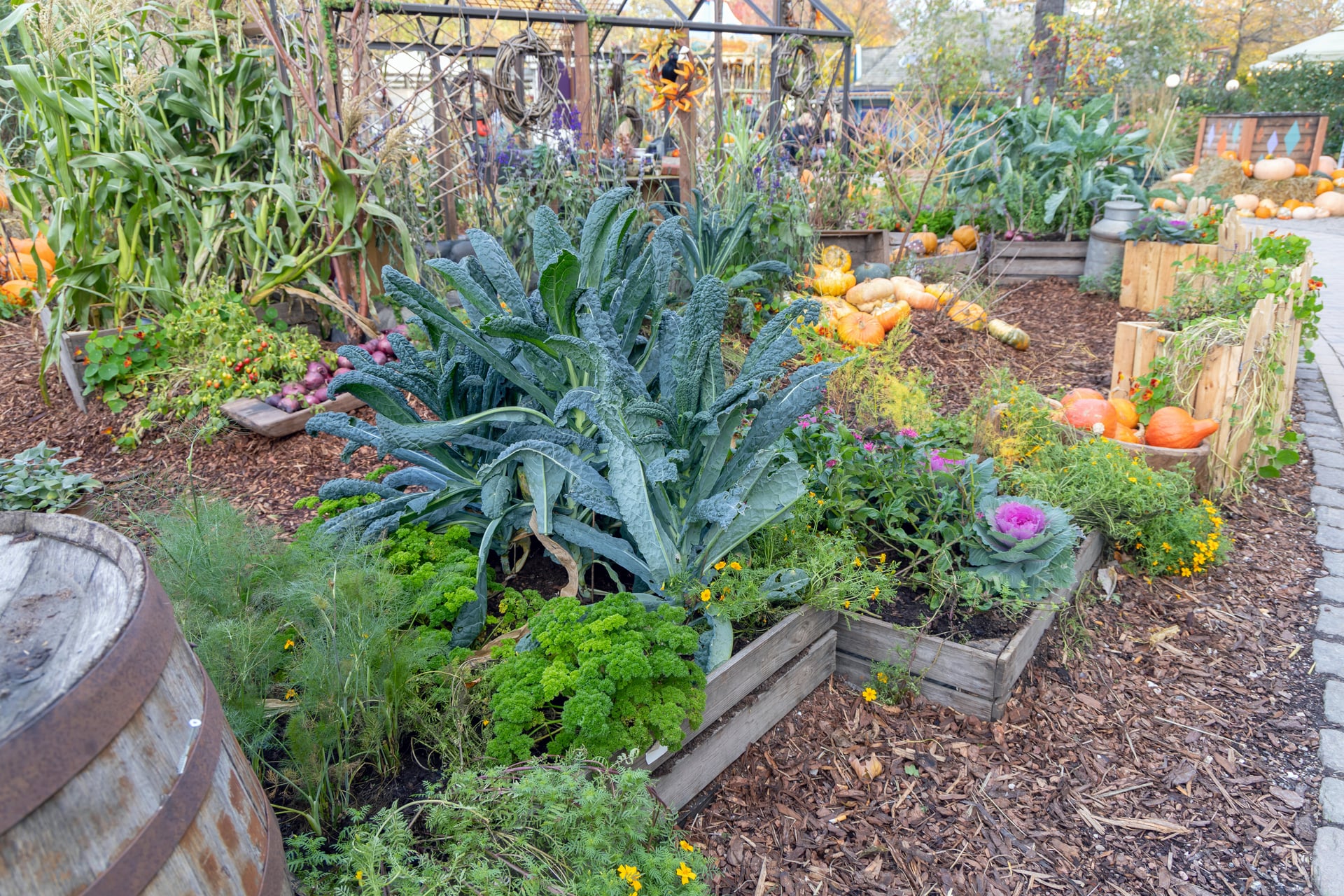
Key Takeaways:
- NPK fertilizers provide immediate, fast-acting nutrition but lack the soil-building benefits of organic alternatives
- Manure delivers slow-release nutrients while improving soil structure, water retention, and beneficial microbial activity over time
- Kelp concentrate offers over 60 trace minerals and natural growth hormones that boost plant resilience against environmental stress
- Choosing the right fertilizer depends on your specific vegetables, soil test results, and whether you prioritize quick results or long-term soil health
- Leafy greens need higher nitrogen levels, while fruiting vegetables require more phosphorus and potassium for optimal production
Choosing between manure, kelp concentrate, and NPK fertilizers can make the difference between a mediocre harvest and a thriving vegetable garden. Each option brings distinct advantages to the table, but understanding when and how to use them determines success. The best fertilizer choice depends on your specific garden goals, soil conditions, and the types of vegetables in your growing plan.
NPK Fertilizers Deliver Fast-Acting Primary Macronutrients Plants Need Most
NPK fertilizers supply nitrogen for lush leafy growth, phosphorus for robust root development and flowering, and potassium for enhanced disease resistance and overall plant function. These synthetic formulations deliver nutrients in forms immediately available to plants, making them ideal when quick results are needed.
The three-number ratio on fertilizer packages indicates the percentage of each macronutrient. A 12-11-2 fertilizer contains 12% nitrogen, 11% phosphate (P2O5), and 2% potash (K2O). This immediate availability means gardeners can correct nutrient deficiencies rapidly, especially when plants show visible signs of stress like yellowing leaves or stunted growth.
However, as the experts at GS Plant Foods emphasize, these fast-acting nutrients can wash away quickly through irrigation or rainfall. This characteristic requires more frequent applications throughout the growing season unless using slow-release formulations.
Manure Builds Long-Term Soil Health While Feeding Plants
Manure serves as a dual-purpose amendment, providing NPK nutrients and micronutrients while simultaneously enriching soil organic matter and improving its structure, aeration, and moisture-holding capabilities. This organic approach creates a foundation for sustained plant health that synthetic fertilizers do not provide.
The benefits extend beyond immediate nutrition. Organic fertilizers improve soil structure, boost water retention capacity, and stimulate beneficial microbial activity, leading to healthier plants with stronger root systems and increased resilience against pests and diseases. These improvements compound over time, creating increasingly fertile growing conditions.
Different Animal Manures Offer Distinct Nutrient Profiles
Different animal manures offer distinct nutrient profiles that suit various gardening needs. Poultry manure provides high nitrogen content, making it excellent for leafy vegetables, while sheep manure delivers a balanced nutrient composition with minimal odor concerns.
Cow manure offers moderate nutrient levels with excellent soil conditioning properties, while horse manure breaks down slowly and adds substantial organic matter. Understanding these differences allows gardeners to select manure types that match their specific crop requirements and soil improvement goals.
Composting Requirements Prevent Plant Damage
Fresh or 'hot' manures, particularly chicken manure, contain high nitrogen levels and must be thoroughly composted before application to prevent burning plants. Raw manure can damage root systems, introduce viable weed seeds, and potentially harbor harmful pathogens.
Proper composting eliminates these risks while concentrating nutrients into more stable forms. According to USDA National Organic Program guidelines, raw manure application requires 120 days between application and harvest for crops that contact soil directly, such as lettuce and onions, and 90 days for crops where edible parts remain above ground, like corn and pole beans.
Kelp Concentrate Provides A Wide Array of Trace Minerals for Plant Vigor
Kelp extract contains over 60 trace minerals, natural growth hormones like cytokinins and auxins, and micronutrients that support faster seed germination and bolster plant resistance to environmental stressors such as drought and disease. This mineral profile addresses nutritional gaps that NPK fertilizers do not typically provide.
Liquid kelp fertilizer promotes vigorous root growth, increases flowering rates, maximizes vegetable size, and improves the plant's natural ability to absorb nutrients from the soil. These benefits extend beyond basic nutrition, creating more resilient plants capable of handling various growing challenges.
Growth Hormones Boost Root Development and Flowering
The natural growth hormones found in kelp concentrate stimulate cellular activity and promote robust root development. Cytokinins encourage cell division and delay aging in plant tissues, while auxins promote root formation and fruit development.
These hormones work synergistically to improve overall plant performance, resulting in stronger stems, increased flower production, and better fruit set. The natural hormone content in kelp extract provides benefits that are not typically found in synthetic fertilizers.
Enhanced Stress Resistance Against Drought and Disease
Kelp-treated plants demonstrate improved tolerance to environmental stressors, including drought conditions and disease pressure. The trace minerals and bioactive compounds strengthen plant cell walls and improve water retention at the cellular level.
This stress resistance translates to more consistent harvests even during challenging growing conditions. Plants treated with kelp extract maintain better color, vigor, and productivity when faced with temperature fluctuations, water stress, or pest pressure.
Match Fertilizer Type to Your Vegetable's Growth Stage
Different vegetables have varying nutritional requirements throughout their growing cycles, making fertilizer timing and selection vital for optimal results. Understanding these needs allows gardeners to maximize harvest quality and quantity through targeted nutrition programs.
The growth stage determines which nutrients take priority. Young plants establishing root systems benefit from phosphorus-rich formulations, while mature plants producing fruits or leaves require different nutrient ratios to support their specific functions.
Leafy Greens Thrive with Higher Nitrogen
Leafy vegetables thrive with higher nitrogen fertilizers, as this macronutrient directly supports the lush foliage growth that defines crop quality. Lettuce, spinach, kale, and other greens require consistent nitrogen availability throughout their growing period to maintain tender leaves and vibrant color.
Nitrogen deficiency in leafy crops appears as yellowing lower leaves and stunted growth, significantly reducing harvest quality. Regular nitrogen applications based on soil test results and plant observation help maintain optimal growth rates and prevent quality degradation during the harvest window.
Fruiting Vegetables Need More Phosphorus and Potassium
Plants that produce fruits and flowers benefit more from fertilizers with elevated phosphorus and potassium levels. Tomatoes, peppers, squash, and beans require phosphorus for flower formation and fruit development, while potassium improves flavor, disease resistance, and storage quality.
Excessive nitrogen during fruit production can actually reduce yields by promoting leaf growth at the expense of fruit development. Shifting to lower-nitrogen, higher-phosphorus formulations during flowering encourages better fruit set and improved harvest quality.
Balanced NPK Formulations Support Multiple Vegetable Types
Balanced NPK formulations, such as 10-10-10, provide nutrient support for a wide array of vegetables, promoting healthy root systems, strong stems, leaf emergence, and fruit development. These all-purpose fertilizers work well for mixed vegetable gardens where multiple crop types grow in proximity.
The balanced approach simplifies fertilizer management while meeting basic nutritional needs across diverse plant families. However, specific crops may still benefit from targeted supplementation during critical growth phases.
Soil Testing Reveals Which Fertilizer Your Garden Actually Needs
Conducting a soil test identifies specific nutrient deficiencies or excesses, allowing gardeners to select the most appropriate fertilizer and avoid costly over-application or environmental damage. Soil testing removes guesswork from fertilizer selection and prevents nutrient imbalances that can harm plant health.
Professional soil analysis reveals pH levels, organic matter content, and available nutrients including nitrogen, phosphorus, potassium, and micronutrients. This information guides precise fertilizer selection and application rates based on actual soil conditions rather than generalized recommendations.
Some nutrients, especially phosphorus, accumulate in soil over time and may not require regular supplementation. Nitrogen, however, leaches readily and typically needs frequent replenishment. Understanding these dynamics prevents both nutrient deficiencies and expensive over-fertilization that can damage plants and pollute groundwater.
Choose Based on Your Garden Goals: Quick Results vs. Long-Term Soil Health
The choice between synthetic NPK fertilizers, manure, and kelp concentrate ultimately depends on whether immediate results or long-term soil improvement takes priority. Gardeners seeking rapid plant response and precise nutrient control often prefer NPK fertilizers, while those focused on sustainable soil building favor organic options.
NPK fertilizers excel when quick corrections are needed for visible nutrient deficiencies or when growing in challenging soil conditions. The immediate nutrient availability can rescue struggling plants and provide consistent nutrition throughout critical growth phases.
Organic fertilizers like manure and kelp create lasting soil improvements that benefit multiple growing seasons. While results may develop more slowly, the cumulative effects include improved soil structure, water retention, and increased biological activity that supports healthier plant growth over time. Research comparing organic treatments like chicken manure and manure tea to synthetic NPK fertilizers found significant improvements in early-stage growth and larger marketable yields in cabbage, demonstrating the potential benefits of organic approaches for specific crops.
Many successful gardeners combine approaches, using organic amendments for soil building and targeted synthetic applications when quick nutrient boosts are needed. This integrated strategy captures the benefits of both approaches while minimizing their individual limitations.
GS Plant Foods
City: Lake Mary
Address: 4300 West Lake Mary Boulevard
Website: https://gsplantfoods.com/


Comments
Post a Comment