Best Analog Drum Synths: Experts Explore Top-Performing Options For Sound Design
Key Takeaways
- Top analog drum synthesizers like the Moog DFAM, Arturia DrumBrute Impact, and Elektron Analog Rytm MKII offer a unique sonic character that digital emulations struggle to perfectly replicate.
- Analog warmth and punch come from circuit saturation, harmonic distortion, and fast envelope characteristics inherent in analog architecture.
- Individual voice design allows sound designers to manipulate dedicated oscillators, filters, and envelopes for each drum sound.
- Genre-specific applications showcase how analog drum synths excel in techno, house, hip-hop, and experimental electronic music production.
- Modular systems unlock unprecedented creative possibilities for advanced sound designers seeking ultimate flexibility.
Sound designers and music producers are rediscovering the irreplaceable character of analog drum synthesizers. While digital technology has dominated music production for decades, the unique sonic qualities of analog circuitry continue to inspire artists seeking authentic warmth, punch, and musical personality in their drum sounds.
Analog Drum Machines Experience Sound Design Resurgence
The resurgence of analog drum synthesis reflects a broader movement toward hardware-based music production. Modern producers recognize that the subtle harmonic distortion, circuit saturation, and non-linearities inherent in analog systems create sonic characteristics that digital emulations struggle to replicate perfectly. These imperfections, once considered limitations, now represent the very essence of what makes analog drum synths so desirable for contemporary sound design.
Gear Experts at Sam Ash note that today's analog drum synthesizers blend classic sound architecture with modern features such as extensive sequencing, parameter locking, and wide-ranging connectivity. This combination makes them incredibly versatile tools for sound designers working across multiple genres and production environments.
The technical foundation of analog drum synthesis remains rooted in subtractive synthesis principles, utilizing resonant filters, envelope generators, and noise sources to create percussive sounds. However, contemporary manufacturers have expanded these core concepts with innovative circuit designs that push the boundaries of what analog drum synthesis can achieve.
Expert-Recommended Top-Performing Analog Drum Synths
Industry experts consistently recommend specific analog drum synthesizers based on their sonic performance, build quality, and creative potential. These instruments represent the pinnacle of analog drum synthesis technology, each offering unique characteristics that appeal to different aspects of sound design work.
1. Moog DFAM
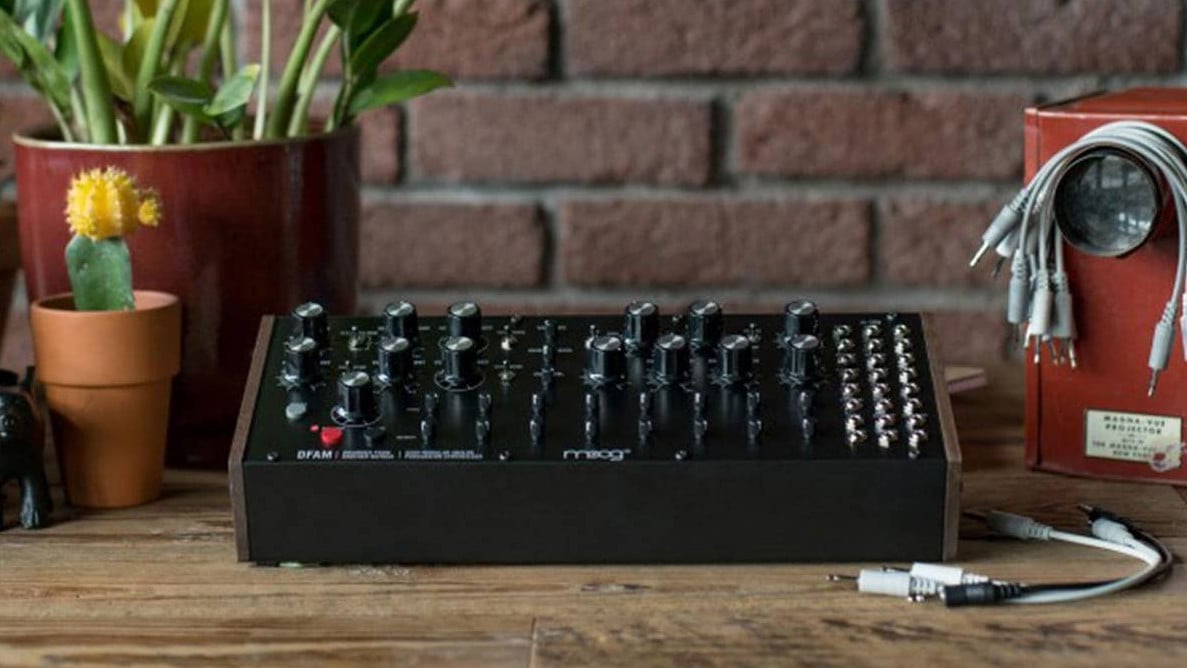
The Moog DFAM (Drummer From Another Mother) takes analog drum synthesis into experimental territory with its semi-modular design. This instrument features two analog oscillators, a noise generator, and a multimode filter, all housed in Moog's distinctive analog architecture. The DFAM's unique approach to drum synthesis makes it particularly appealing to sound designers seeking unconventional percussive textures.
The DFAM's patch bay allows extensive signal routing, enabling sound designers to create complex feedback networks and unconventional signal paths. This flexibility makes it an excellent tool for experimental electronic music and sound art applications.
2. Arturia DrumBrute Impact
The Arturia DrumBrute Impact stands out for its aggressive sound character and built-in distortion circuit. This instrument delivers raw, punchy drum sounds that cut through dense mixes while maintaining the warmth associated with analog circuitry. The DrumBrute Impact features ten analog drum voices, each with dedicated controls for precise sound shaping.
Sound designers appreciate the DrumBrute Impact's accessible workflow, which encourages experimentation without overwhelming complexity. The instrument's performance features, including real-time recording and step sequencing, make it equally suitable for studio production and live performance applications.
3. Elektron Analog Rytm MKII
The Elektron Analog Rytm MKII represents the high-end segment of analog drum synthesis, combining eight analog drum voices with sample playback capabilities. This hybrid approach allows sound designers to layer analog synthesis with digital samples, creating complex textures difficult to achieve with purely analog or digital systems.
The Rytm MKII's powerful sequencer includes parameter locking, allowing different parameter values for each sequencer step. This feature enables intricate sound design in which drum characteristics evolve over a pattern, creating dynamic, engaging rhythmic content.
4. Behringer RD-8 and RD-9 Classic Clones
Behringer's recreation of classic Roland drum machines provides affordable entry points into authentic analog drum sounds. The RD-8 clones the legendary TR-808, while the RD-9 recreates the TR-909's hybrid analog-digital architecture. These instruments offer the sonic character of vintage machines at accessible price points.
These clones faithfully recreate their inspirations while adding modern conveniences like individual outputs, built-in effects, and expanded connectivity. Sound designers can achieve classic drum sounds without the maintenance challenges and high costs associated with vintage equipment.
5. Sequential Tempest
The Sequential Tempest, developed by Dave Smith Instruments, combines analog synthesis with extensive modulation capabilities. This hybrid analog-digital drum machine features six analog voices with analog effects processing, creating a powerful sound engine for complex rhythmic textures.
The Tempest's strength lies in its ability to create evolving, dynamic drum sounds through extensive modulation routing. Sound designers can assign multiple modulation sources to various parameters, resulting in organic-sounding rhythms that change over time.
Understanding Analog Drum Synthesis Architecture
Analog drum synthesis relies on specific circuit architectures that electronically generate percussive sounds. Understanding these fundamental principles helps sound designers maximize the creative potential of analog drum synthesizers.
Individual Voice Design & Signal Flow
Most analog drum synthesizers feature individual voice architectures with dedicated signal paths for each drum sound. Each voice typically includes an oscillator or noise source, envelope generator, and filter section. This separation allows independent control over each drum element, enabling precise sound shaping.
The signal flow in analog drum voices begins with a trigger pulse that initiates the sound generation process. This pulse excites either an oscillator for tonal drums or a noise generator for percussive elements like snares and hi-hats. The resulting signal passes through filtering and envelope shaping stages that determine the final character of the drum sound.
The Science Behind Analog Warmth
The "warmth" associated with analog drum synths stems from the subtle harmonic distortion and non-linearities present throughout analog circuitry. These characteristics add harmonic content and subtle compression that digital systems must deliberately model to achieve similar results.
Analog circuits naturally introduce soft limiting and saturation as signals approach the limits of their operating ranges. This behavior creates pleasant harmonic enhancement that contributes to the musical character of analog drum sounds. Additionally, component tolerances and temperature variations introduce subtle randomness that adds life to repetitive drum patterns.
Sound Design Techniques That Maximize Analog Character
Effective sound design with analog drum synthesizers requires understanding specific techniques that leverage the unique characteristics of analog circuitry. These approaches help sound designers extract maximum creative potential from their instruments.
Circuit Saturation & Harmonic Distortion
Deliberately overdriving analog circuits adds harmonics and grit to drum sounds, creating the aggressive character associated with many classic electronic tracks. Sound designers can achieve saturation by increasing input levels or pushing envelope generators beyond their intended ranges.
Different circuit topologies respond to overdrive in unique ways. Various analog components produce different saturation characteristics, with some creating softer distortion while others generate more aggressive clipping. Understanding these differences allows sound designers to choose instruments that match their aesthetic preferences.
Envelope Manipulation for Punch
The "punch" in analog drum sounds often results from fast attack and decay characteristics achievable with analog envelope generators. These envelopes can produce incredibly sharp transients that cut through dense mixes while maintaining musical character.
Sound designers can enhance punch by adjusting envelope curves and using multiple envelopes for different aspects of the sound. For example, separate envelopes for amplitude and filter cutoff allow independent control over the attack transient and tonal evolution of drum sounds.
Filter Resonance & Feedback Networks
Resonant filters play a crucial role in analog drum synthesis, providing the pitched elements that give drums their tonal character. High resonance settings create ringing effects that simulate the resonant properties of acoustic drums and percussion.
Advanced sound designers utilize feedback networks to create self-oscillating filters and complex harmonic interactions. These techniques can produce evolving textures and unconventional percussive sounds that extend beyond traditional drum categories.
Genre-Specific Applications & Case Studies
Different musical genres utilize analog drum synths in specific ways that highlight their unique characteristics. Understanding these applications helps sound designers choose appropriate instruments and techniques for their projects.
TR-808 Kick Drums in Hip-Hop Production
The Roland TR-808's distinctive kick drum has become foundational in hip-hop production due to its long decay and low-frequency emphasis. This drum sound often serves dual roles as both rhythmic element and bassline, particularly in sub-bass-heavy genres.
Sound designers working in hip-hop frequently extend the 808 kick's decay time and tune it to specific musical pitches, creating melodic basslines that follow chord progressions. This technique demonstrates how analog drum synths can transcend traditional percussion roles to become melodic instruments.
Techno & House Genre Requirements
Techno and house music production demands drum sounds with specific characteristics: punchy kicks that cut through compressed mixes, crisp hi-hats with controlled resonance, and snare drums with sufficient midrange presence. Analog drum synths excel in these applications due to their natural compression and harmonic enhancement.
Many techno producers rely on analog drum machines for their raw power and ability to maintain clarity at high sound pressure levels. The natural limiting characteristics of analog circuits help drums maintain punch without harsh digital clipping artifacts.
Modular Systems Open New Creative Possibilities
Eurorack modular systems have revolutionized analog drum synthesis by offering unprecedented flexibility in signal routing and sound generation. Manufacturers like Erica Synths produce specialized drum synthesis modules that can be combined in countless configurations.
Modular drum synthesis allows sound designers to create custom signal paths using different modules for oscillators, filters, envelopes, and effects. This approach enables entirely new categories of percussive sounds that would be difficult to achieve with fixed-architecture drum machines.
The modular approach also facilitates integration with other synthesis techniques, allowing drum sounds to interact with melodic elements via shared modulation sources and signal-processing chains. This integration blurs the boundaries between rhythm and harmony in electronic music composition.
Analog Drum Synths Deliver Irreplaceable Character for Modern Sound Design
Contemporary music production benefits enormously from the unique sonic characteristics that only analog drum synthesizers can provide. While digital technology offers convenience and recall, analog systems offer warmth, punch, and musical character that is difficult to fully replicate digitally.
The combination of circuit-level harmonic enhancement, natural compression, and subtle randomness creates drum sounds with inherent musicality. These characteristics help drums sit naturally in mixes while maintaining the aggressive presence required for contemporary electronic music genres.
Sound designers who incorporate analog drum synthesizers into their workflows gain access to sonic textures that distinguish their work in an increasingly digital landscape. The investment in analog technology pays dividends through increased creative possibilities and distinctive sound character that enhances any musical project.
Sam Ash
City: Hicksville
Address: 278 Duffy Ave
Website: https://www.samash.com/


Comments
Post a Comment