AV Networking for Businesses: Common Mistakes & How to Plan a System
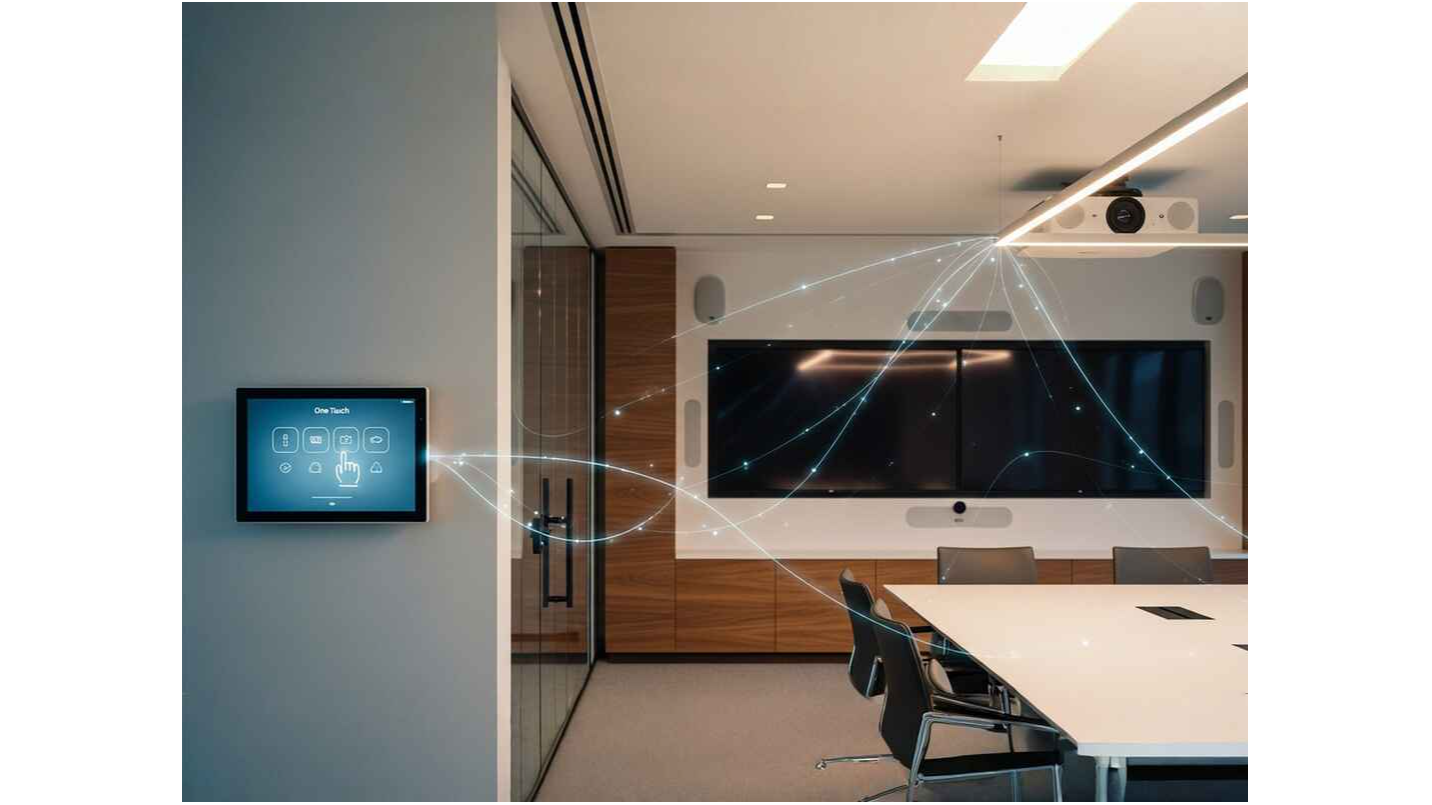
Planning an AV System in a Networked World
Audiovisual technology is a core part of how modern businesses communicate, collaborate, and operate. From conference rooms and training spaces to digital signage and hybrid work environments, AV systems are expected to perform reliably while adapting to constant change. According to AVIXA, organizations that effectively integrate audiovisual technology into their operations report stronger collaboration outcomes and more efficient use of space. Yet many AV projects still encounter avoidable complications long before installation begins.
Where AV Projects Often Go Wrong
One of the most common challenges businesses face is treating AV as a standalone purchase rather than an infrastructure decision. Displays, speakers, and cameras are often selected based on immediate needs without considering how they will connect, scale, or integrate with existing networks. This approach can lead to rigid systems that are difficult to expand, inconsistent user experiences across rooms, or performance issues caused by bandwidth limitations.
Another frequent oversight involves legacy assumptions about wiring. Traditional point-to-point AV systems rely on dedicated cabling for each source and destination, which can become costly and inflexible as organizations grow. As spaces are reconfigured or new technologies are introduced, these systems may require extensive rewiring, resulting in downtime and unplanned expense.
Security and management are also commonly underestimated. As AV systems increasingly share infrastructure with IT networks, insufficient planning can expose organizations to vulnerabilities or create friction between AV and IT teams responsible for maintaining performance and uptime.
Key Considerations When Planning a Networked AV System
Effective AV planning begins with understanding how networked systems differ from traditional approaches. Networked AV transmits audio and video as data across standard ethernet networks, allowing sources and displays to connect through switches rather than direct cables. This architecture supports flexibility, centralized control, and easier scalability.
Several factors deserve early attention:
- Bandwidth requirements must be evaluated to ensure video streams do not compete with other critical network traffic.
- Device compatibility and protocol selection play an important role in determining how seamlessly components communicate.
- Environmental considerations, such as room acoustics and display placement, still matter, but they function within a broader systems framework rather than in isolation.
Decision-makers should also weigh the trade-offs between in-house management and professional design. While smaller installations may appear straightforward, larger or multi-room systems often benefit from structured planning, documentation, and testing. Misaligned components or poorly configured networks can compromise reliability long after installation is complete.
Expert Guidance as a Planning Resource
Experienced AV providers increasingly serve as strategic advisors rather than merely equipment suppliers and installers. Audio visual specialists approach AV networking as an integrated system that aligns technical performance with real-world business needs. Many publish educational resources that explain protocols, system architecture, and planning considerations, contributing to a clearer understanding of how AV systems function within modern organizations.
Thoughtful AV planning accounts for future growth, evolving work patterns, and the increasing convergence of audiovisual and IT systems. Businesses that invest time in understanding these dynamics often experience smoother deployments and fewer disruptions over the system’s lifespan.
As workplaces evolve, AV systems must support change rather than resist it. Networked AV offers a path toward more adaptable, manageable environments when planned with care. Clear objectives, realistic assessments, and informed guidance help transform AV projects from isolated upgrades into durable infrastructure investments.
Sphere Audio Video
City: Birmingham
Address: 504 Cahaba Park Circle
Website: https://sphereav.com


Comments
Post a Comment