Are Ellipticals Good For Knee Pain? Home Equipment Safety Features Explored
Key Takeaways
- Elliptical machines use closed-chain movement patterns that keep feet in constant contact with pedals, reducing impact forces on knees significantly compared to running.
- The natural gliding motion distributes weight evenly between both legs while strengthening supporting muscles that act as shock absorbers for knee joints.
- Proper elliptical design features like adjustable stride length and ergonomic pedal design promote natural knee alignment and prevent harmful overextension.
- Research shows elliptical training enhances blood flow to knee cartilage while building quadriceps, hamstrings, and glute strength for long-term joint protection.
- Maintaining correct posture and weight distribution during elliptical workouts maximizes knee protection benefits while preventing compensatory strain patterns.
For individuals dealing with knee pain, joint stiffness, or arthritis, finding effective exercise options that don't aggravate existing conditions can feel like a truly impossible challenge. Traditional high-impact activities like running or jumping often worsen knee problems, leaving many people frustrated and sedentary. Elliptical machines offer a solution that bridges this gap, providing cardiovascular benefits and muscle strengthening without the jarring forces that damage sensitive knee structures.
Why Elliptical Motion Protects Your Knees
The elliptical's unique biomechanical advantage lies in its ability to simulate natural walking patterns while eliminating the harsh impact forces that typically stress knee joints. Unlike treadmill running, where each footstrike generates forces up to three times body weight, elliptical training maintains continuous foot contact with the pedals. This creates a smooth, gliding motion that allows the body to move through its natural range of motion without the repetitive pounding that can inflame knee structures and worsen existing injuries.
The machine's design mimics the body's natural gait cycle while providing support throughout the entire movement. As feet glide along the elliptical path, the motion closely resembles walking or light jogging, but with the critical difference that impact forces are absorbed by the machine rather than transmitted directly through the knee joint. This makes elliptical training particularly beneficial for individuals recovering from knee injuries, managing arthritis, or simply seeking to prevent future joint problems.
Additionally, the bilateral nature of elliptical exercise ensures that weight and stress are distributed evenly between both legs throughout the workout. This balanced approach prevents the compensatory movement patterns that often develop when one knee is favored over another, reducing the risk of secondary injuries and promoting symmetrical strength development. Comparing elliptical machines to other low-impact options reveals why this equipment consistently ranks among the top recommendations for knee-friendly exercise.
The Science Behind Elliptical Joint Protection
Closed-Chain Movement Reduces Impact Forces
Elliptical machines operate on a closed-chain kinetic system, meaning the feet remain in constant contact with the pedals throughout the entire exercise motion. This fundamental design principle dramatically reduces the impact forces that typically stress knee joints during weight-bearing activities. In open-chain movements like running, each footstrike creates a ground reaction force that travels directly through the leg bones and into the knee joint. Research shows that elliptical training can reduce these impact forces significantly compared to traditional running, making it an ideal choice for individuals with existing knee concerns or those seeking preventive joint care.
Continuous Foot Contact Stabilizes Knees
The continuous foot contact maintained during elliptical exercise creates a stable platform that supports proper knee tracking throughout the movement cycle. Unlike activities where feet leave the ground, elliptical training eliminates the jarring deceleration forces that occur during landing phases of running or jumping. This consistent contact allows the knee joint to move through its natural range of motion while receiving support from the machine's pedal system.
Research Shows Improved Joint Space
Clinical studies have demonstrated that low-impact elliptical training can help maintain and even improve joint space in individuals with early-stage knee osteoarthritis. The controlled loading provided by elliptical exercise stimulates cartilage metabolism without causing the breakdown associated with high-impact activities. This mechanical stimulation encourages the production of synovial fluid, which lubricates the joint and provides nutrients to cartilage cells.
Essential Design Features for Knee Safety
Adjustable Stride Length Matches Natural Gait
One of the most critical features for knee protection in elliptical machines is adjustable stride length, which allows users to customize the motion to match their individual biomechanics. Most quality ellipticals offer stride lengths ranging from 18 to 22 inches, accommodating different body types and natural gait patterns. When stride length is properly matched to the user's natural walking pattern, it prevents the uncomfortable overextension or underextension that can strain knee ligaments and create abnormal stress patterns.
Improper stride length can force the knee joint into positions it wasn't designed to handle repeatedly. A stride that's too long can hyperextend the knee at the back of the motion, stretching the posterior capsule and potentially stressing the ACL. Conversely, a stride that's too short can create excessive compression forces in the front of the knee, aggravating patellofemoral joint problems. The ability to adjust stride length ensures that each user can find their optimal range of motion for maximum comfort and safety.
Ergonomic Pedal Design Promotes Proper Alignment
Advanced elliptical machines feature pedals with ergonomic design that promotes natural foot positioning and reduces lateral stress on the knee joint. This design feature encourages proper knee alignment by preventing the excessive internal rotation that can occur when feet are forced into unnatural positions. Quality pedal design mimics the natural angle of the foot during walking and helps maintain the knee's proper tracking pattern throughout the exercise motion.
Proper pedal design also includes adequate surface area and grip to ensure foot stability throughout the workout. Pedals that are too small or lack sufficient traction can cause the foot to shift during exercise, leading to compensatory movements that stress the knee joint. Quality ellipticals incorporate textured pedal surfaces and ergonomic shaping that securely cradles the foot while allowing natural movement patterns.
Strengthening Benefits Without Wear and Tear
Muscle Support for Joint Stability
Elliptical training excels at strengthening the key muscle groups that provide natural shock absorption and stability for knee joints. The quadriceps, hamstrings, and glutes all receive significant activation during elliptical exercise, creating a balanced strengthening effect that supports proper knee function. Strong quadriceps muscles help control knee motion during weight-bearing activities, while well-developed hamstrings provide posterior stability and help prevent ACL injuries.
The gluteal muscles, often overlooked in knee health discussions, play a crucial role in controlling hip and knee alignment during functional movements. Weak glutes can lead to excessive internal rotation of the thigh bone, creating a knock-kneed position that places abnormal stress on knee structures. Elliptical training effectively targets these muscle groups while maintaining the low-impact environment that protects joints during the strengthening process.
Enhanced Blood Flow to Cartilage
The rhythmic, continuous motion of elliptical exercise promotes enhanced blood circulation throughout the lower extremities, including increased flow to knee cartilage and surrounding structures. Cartilage, being avascular tissue, relies on the pumping action of joint movement to receive nutrients and remove waste products. The controlled loading and unloading that occurs during elliptical exercise creates an optimal environment for this cartilage nutrition process.
Improved circulation from elliptical workouts helps reduce inflammation in and around the knee joint, contributing to improved comfort and function over time. The enhanced blood flow delivers anti-inflammatory compounds while helping clear inflammatory mediators that can contribute to pain and stiffness. And this improved circulation supports overall joint health and can help maintain cartilage integrity over time.
Proper Form Maximizes Knee Protection
Correct Posture Prevents Strain
Maintaining proper posture during elliptical workouts is essential for maximizing knee protection and preventing compensatory strain patterns. The ideal position involves keeping the torso upright with shoulders back and core muscles engaged. This alignment ensures that the legs can move through their natural range of motion without being influenced by poor spinal positioning or forward head posture.
Common posture mistakes include leaning too heavily on the handles, which can shift weight away from the legs and reduce the strengthening benefits of the exercise. Additionally, looking down at the console or allowing the shoulders to round forward can create a chain reaction of poor alignment that eventually affects knee positioning. Proper posture also includes maintaining level hips and avoiding the tendency to shift weight to one side, which can create uneven stress patterns on the knees.
Weight Distribution Techniques
Effective weight distribution during elliptical exercise involves maintaining balanced contact between both feet and the pedals throughout the entire movement cycle. Users should focus on pressing through the heel and midfoot rather than staying on the toes, which can create excessive calf tension and alter knee tracking patterns. The weight should be evenly distributed between both legs, with conscious attention paid to avoiding the tendency to favor one leg over the other.
Proper use of the moving handles can enhance stability without compromising the workout's effectiveness. The handles should be gripped lightly, providing balance support rather than bearing significant weight. This approach ensures that the legs continue to do the majority of the work while the upper body contributes to the exercise in a supportive role. Maintaining a balanced approach throughout the workout prevents fatigue-related compensation patterns that could stress the knees.
Choose Ellipticals with Joint-Protective Features
When selecting an elliptical machine for knee protection, prioritize models with adjustable stride lengths, quality pedal design, and smooth operation. Look for machines with stride adjustability that can accommodate your natural gait pattern, as this feature directly impacts knee comfort and safety. High-quality ellipticals should offer whisper-quiet operation, indicating precision engineering that maintains smooth motion patterns crucial for joint protection.
Additional features to consider include multiple resistance levels that allow for gradual progression without sudden increases in joint stress. The machine's overall stability and build quality directly impact the consistency of motion, with commercial-grade construction typically providing the most reliable performance. Weight capacity should exceed the user's weight by a comfortable margin to ensure optimal machine performance and longevity.
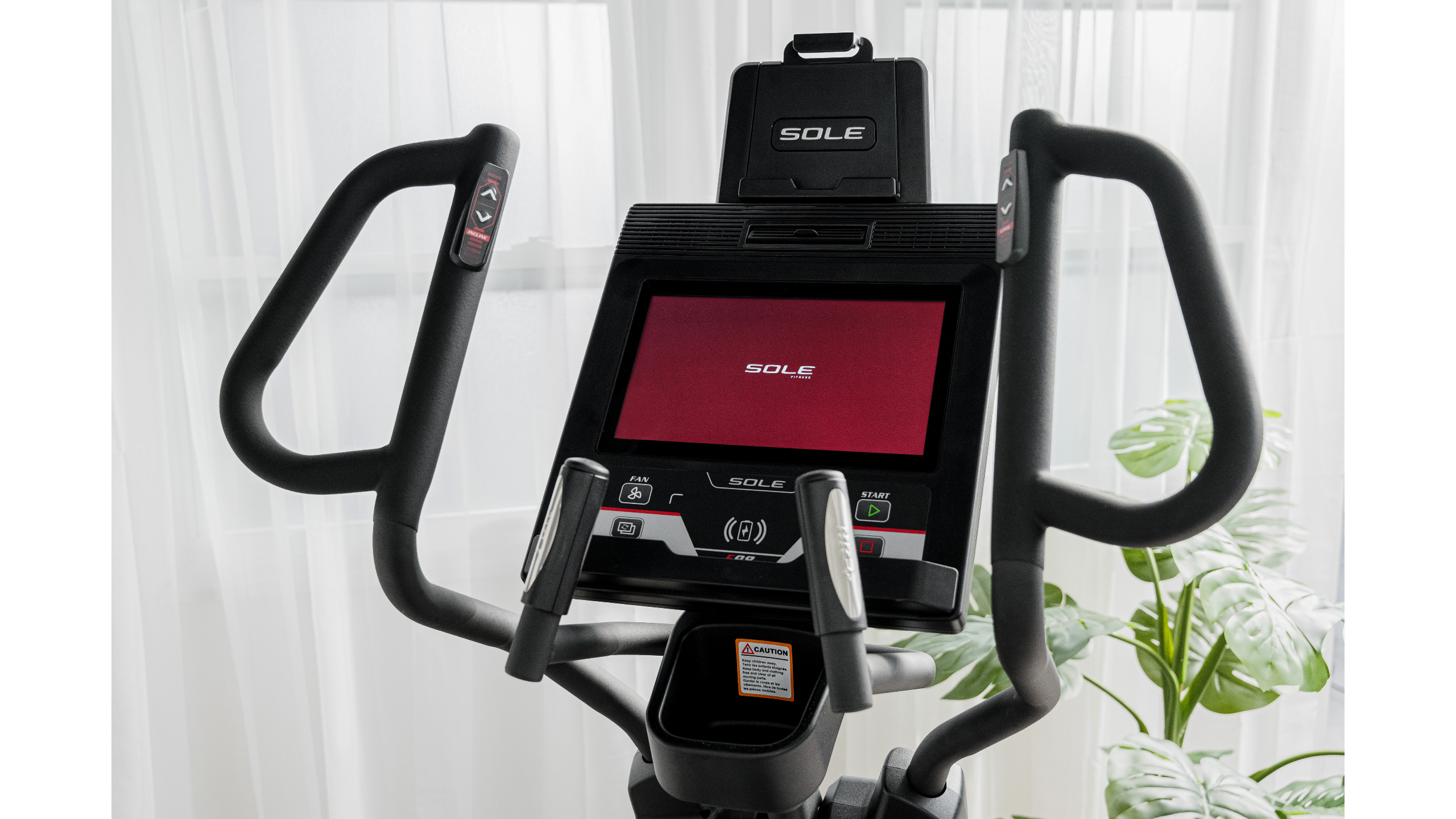
Console features like heart rate monitoring and pre-programmed workouts designed specifically for joint health can enhance the exercise experience while ensuring appropriate workout intensity. Some advanced elliptical models include biomechanical feedback systems that help users maintain proper form throughout their workouts, further enhancing the knee protection benefits of elliptical exercise.
SOLE Fitness
City: Salt Lake City
Address: 56 Exchange Pl.
Website: https://www.soletreadmills.com/


Comments
Post a Comment