How to Choose the Right Tile for Your Bathroom: New Jersey Experts Share Tips
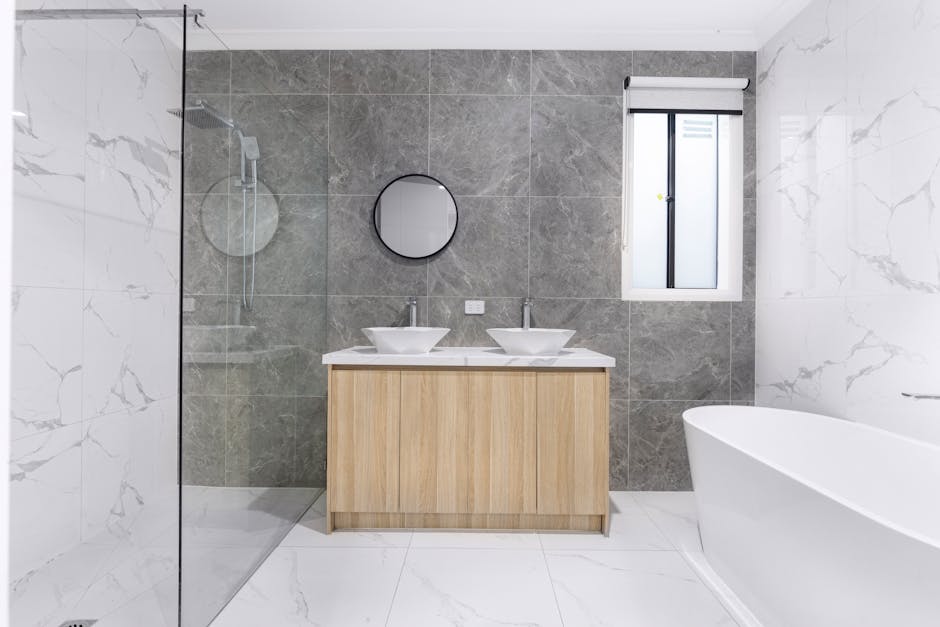
Key Takeaways
- Porcelain tile outperforms ceramic for bathrooms due to its water resistance (under 0.5% absorption rate) and durability against seasonal temperature changes.
- Safety first: Choose tiles with slip-resistance ratings of 0.42+ for floors and 0.50-0.60+ for shower areas to prevent accidents.
- Size strategy: Large format tiles (24x48 or 32x32 inches) create seamless modern looks, while small mosaics improve shower floor safety.
- Design trends are shifting away from all-white aesthetics toward earthy tones, natural palettes, and textured surfaces for architectural appeal.
- Always order 10-20% extra tile for complex bathroom layouts to account for cuts, waste, and future repairs.
Choosing the right bathroom tile can transform a functional space into a stunning retreat that adds significant value to your home. With countless options available, understanding the technical specifications, safety requirements, and current design trends becomes necessary for making informed decisions that will serve you well for years to come.
Why Porcelain Tile Outperforms Ceramic for Bathrooms
Porcelain tile stands out as the superior choice for bathrooms, offering exceptional durability and water resistance that ceramic simply cannot match. With an absorption rate under 0.5%, porcelain creates an impenetrable barrier against moisture—a critical factor in the region's humid summers and temperature fluctuations throughout the year.
The dense composition of porcelain makes it virtually immune to cracking from freeze-thaw cycles that can affect homes during harsh winters. New Jersey-based experts from Allstar Tile-Setter frequently recommend porcelain for both floors and shower walls, noting its ability to maintain structural integrity even in high-traffic family bathrooms.
Porcelain's inherently low porosity provides superior and long-lasting water resistance compared to ceramic's higher initial porosity. This translates to reduced maintenance, fewer repairs, and better long-term value—making it the smart choice for homeowners planning bathroom renovations that need to last.
Size Matters: Choosing the Right Tile Dimensions
Large Format Tiles Create Seamless Modern Looks
Large format tiles, typically measuring 24x48 or 32x32 inches, have become the gold standard for contemporary bathroom remodels. These oversized tiles create clean, uninterrupted surfaces with minimal grout lines, making even compact bathrooms feel more spacious and luxurious.
The seamless appearance of large-format tiles aligns perfectly with modern design principles while offering practical benefits. Fewer grout lines mean less maintenance, reduced cleaning time, and fewer places for mold and mildew to develop.
Small Mosaic Tiles with Increased Grout Lines Improve Shower Floor Safety
While large tiles dominate walls, smaller 2x2-inch mosaic tiles remain the preferred choice for shower floors. The increased number of grout lines creates a natural texture that significantly improves slip resistance, especially important for households with children or elderly family members.
Mosaic tiles also facilitate proper water drainage, allowing installers to create the subtle slopes necessary for water to flow efficiently toward the drain. This functional approach prevents water pooling while maintaining an attractive, cohesive design aesthetic.
How Tile Size Affects Small Bathroom Appearance
Strategic tile sizing can dramatically alter the perceived dimensions of smaller bathrooms. Large tiles with minimal grout lines create visual continuity that tricks the eye into seeing expanded space, while smaller tiles can make rooms feel busy and cramped.
The key lies in proportion—oversized tiles in tiny powder rooms can overwhelm the space, while appropriately scaled medium tiles (12x24 inches) often provide the perfect balance between visual impact and spatial harmony.
Safety Features Your Bathroom Floor Needs
Understanding Slip-Resistance Ratings (DCOF 0.42+ for Floors, 0.50-0.60+ for Showers)
Slip-resistance ratings, measured by the Dynamic Coefficient of Friction (DCOF), provide safety data that homeowners must consider. Bathroom floors require a minimum DCOF rating of 0.42, while shower areas demand even higher ratings between 0.50 and 0.60 to provide adequate traction when wet.
These ratings aren't just recommendations—they represent the difference between a safe bathroom and a potential accident waiting to happen. Tiles with proper DCOF ratings maintain their grip even when covered with soap residue or water, providing confidence for users of all ages.
Why Textured Surfaces Matter in Wet Areas
Textured tile surfaces add an extra layer of safety beyond numerical slip-resistance ratings. Subtle textures, such as light brushed finishes or gentle undulations, create micro-traction that helps feet maintain contact with the floor surface.
Modern textured tiles achieve this safety improvement without sacrificing aesthetics. Advanced manufacturing techniques produce surfaces that feel smooth to the touch but provide grip when needed, seamlessly blending safety with style in today's bathroom designs.
Color and Design Trends Replacing All-White Bathrooms
Earthy Tones and Natural Palettes Taking Over
Homeowners are adopting warmer, more natural color palettes that move beyond the sterile all-white bathroom trend. Soft beiges, sophisticated greiges, warm terracottas, and subtle green hues create calming environments that promote relaxation and wellness.
These earth-inspired colors work particularly well in New Jersey's diverse architectural styles, from Colonial revivals to contemporary builds. The natural palette creates a timeless appeal that won't feel dated in five years, making it a smart investment for home value.
Mixing Materials for Visual Interest
Contemporary bathroom design uses material mixing as a way to create dynamic, layered spaces. Combining porcelain wall tiles with glass accent strips, decorative ceramic feature bands, or natural stone elements adds depth and visual intrigue without overwhelming the space.
This approach allows homeowners to incorporate multiple textures and finishes while maintaining a cohesive overall design. The key lies in choosing materials that complement rather than compete with each other, creating harmony through thoughtful contrast.
Textured Surfaces Adding Architectural Appeal
Textured tiles are emerging as a major design element in bathrooms, with options ranging from subtle ribbed patterns to dramatic fluted surfaces. These dimensional tiles create architectural interest that transforms flat walls into sculptural features.
The interplay of light and shadow across textured surfaces adds visual depth that changes throughout the day, creating an environment that feels fresh and engaging. This trend particularly appeals to homeowners seeking unique, high-end details that set their bathrooms apart.
Stone Tile Benefits vs. Maintenance Reality
Natural stone tiles, including marble, slate, and travertine, offer unmatched elegance and organic beauty that appeals to many homeowners. These materials provide unique patterns and color variations that cannot be replicated in manufactured tiles, creating truly one-of-a-kind bathroom environments.
However, stone tiles require significant ongoing maintenance to preserve their appearance and functionality. Regular sealing becomes necessary to prevent water absorption and staining, with high-moisture areas like showers requiring sealing every 6-12 months, while daily cleaning requires specialized products to avoid damage from common bathroom chemicals.
The maintenance reality means stone tiles work best for homeowners who appreciate natural materials and don't mind the additional care requirements. For busy families seeking low-maintenance luxury, porcelain tiles that mimic stone appearance often provide better long-term value.
Installation Success: Order 10-20% Extra Tile for Bathroom Projects
Calculating Your True Tile Needs for Complex Bathroom Layouts
Accurate tile calculations extend beyond simple square footage measurements, especially in bathrooms with complex layouts, built-in niches, or angled walls. Professional installers recommend ordering 10-15% extra for standard layouts, increasing to 20% for diagonal patterns or intricate designs.
This extra material accounts for cutting waste, potential breakage during installation, and future repairs. Having matching tiles available for repairs becomes particularly important since tile lots can vary slightly in color and finish, making perfect matches difficult to achieve later.
Why Proper Surface Preparation Matters
Successful tile installation depends heavily on proper surface preparation, which includes making sure substrates are clean, dry, level, and structurally sound. Applying waterproof membranes in moisture-prone areas creates the foundation for long-lasting installations that won't develop problems over time.
Inadequate preparation leads to premature tile failure, including loose tiles, cracked grout, and water damage behind walls. Professional preparation may increase initial costs but prevents expensive repairs and renovations down the road.
Tile Professionals Help You Maximize Home Value
Well-executed bathroom tile renovations add measurable value to homes, offering a strong return on investment that typically yields 56-70% of their cost at resale. The combination of updated aesthetics, improved functionality, and safety features appeals to today's home buyers who prioritize turnkey properties.
Professional tile selection and installation help renovations meet both current design trends and timeless appeal. The investment in quality materials and skilled craftsmanship creates bathrooms that serve families well for decades while maintaining their visual and monetary value.
Strategic tile choices that balance beauty, durability, and safety requirements position homes competitively in the market while providing daily enjoyment for current residents. The key lies in working with experienced professionals who understand local preferences and regional considerations.
Allstar Tile-Setter LLC
City: Matawan
Address: 43 Knoll Court
Website: https://www.allstartilesetter.com/


Comments
Post a Comment