How Does Teeth Whitening Work: Costs & Process Explained by Arnold Dental
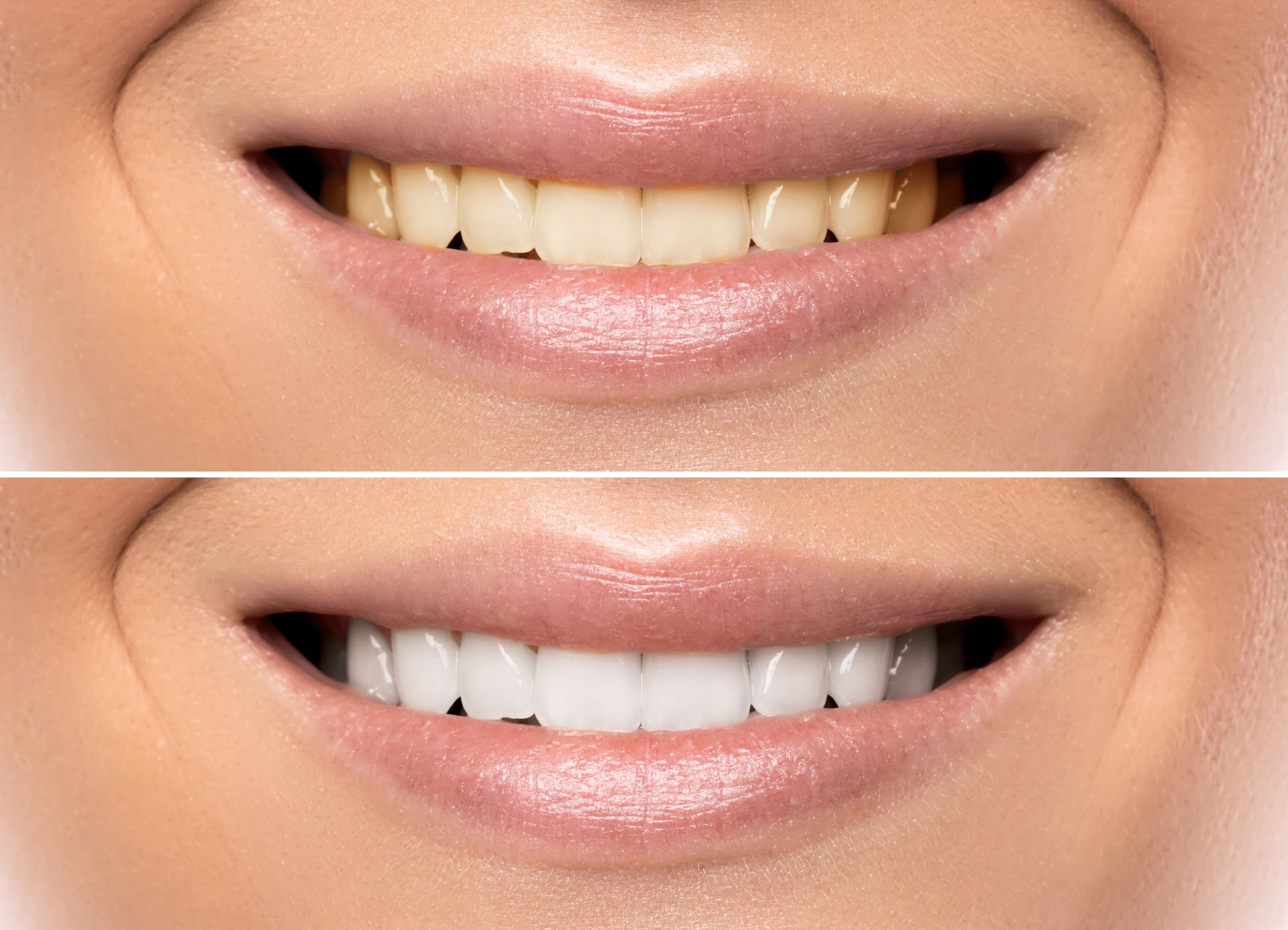
Key Takeaways
- Professional teeth whitening uses peroxide-based gels to break down stains within the tooth, not just on the surface
- Dentist-led treatments are tailored to each patient, improving safety, comfort, and overall results
- In the UK, professional whitening typically costs between £200 and £1,000, depending on the method and level of supervision
- At-home, dentist-prescribed kits offer a gradual, controlled approach, while in-clinic treatments deliver faster results
- Results can last from several months up to three years, depending on lifestyle habits and aftercare
- Whitening improves colour but does not fix structural issues like missing or damaged teeth, which may require other treatments
More than 30% of adults in the UK are unhappy with the appearance of their teeth, according to the Oral Health Foundation. For many people, discolouration is one of the most noticeable concerns, affecting confidence in everyday situations like speaking, smiling, or appearing in photos. Teeth whitening has become one of the most popular cosmetic dental treatments as a result, but understanding how it works and what it costs helps patients make more informed decisions.
What Causes Tooth Discolouration?
Teeth can become discoloured for a variety of reasons, and understanding the cause helps explain why whitening works the way it does. External stains develop on the surface of the enamel and are typically caused by everyday habits such as drinking coffee, tea, or red wine, as well as smoking. These stains build up gradually and often make teeth appear dull over time.
Internal discolouration occurs deeper within the tooth. This can be linked to ageing, trauma, certain medications, or natural changes in the dentin beneath the enamel. Because these stains sit below the surface, they are more difficult to treat and usually require professional whitening methods.
The Science Behind Teeth Whitening
Professional teeth whitening works by using bleaching agents such as hydrogen peroxide or carbamide peroxide. These ingredients penetrate the enamel and reach the dentin layer, where they break down stain molecules through a chemical reaction. As these molecules are broken apart, they reflect light differently, making the teeth appear lighter.
This process allows whitening to target both surface stains and deeper discolouration. In the UK, the strength of whitening agents is regulated, and dental professionals are trained to use effective concentrations safely. This controlled approach helps achieve noticeable results while protecting the enamel and surrounding tissues.
Professional vs Over-the-Counter Whitening
Over-the-counter whitening products are widely available, but they are limited in strength and often deliver inconsistent results. Many of these products focus on surface stains and may not affect deeper discolouration.
Professional whitening treatments are designed around the individual. A dentist assesses the condition of the teeth and gums before treatment begins, ensuring that whitening is appropriate. Custom trays are created to fit precisely, helping the whitening gel stay in place and reducing irritation.
Clinics such as Arnold Dental & Implant Centre, based in Nottingham, guide patients through this process from consultation to review. This approach helps ensure that treatment is both safe and tailored to achieve natural-looking results.
Dentist-Prescribed At-Home Teeth Whitening
One of the most common professional whitening options in the UK is dentist-prescribed at-home treatment. This approach combines clinical oversight with the convenience of carrying out the process at home, making it a popular choice for patients who want gradual, controlled results.
Treatment begins with a consultation, where the dentist checks that the teeth and gums are healthy and suitable for whitening. Impressions or digital scans are then taken to create custom-fitted trays. These trays are designed to fit closely over the teeth, allowing the whitening gel to stay in place and work evenly while minimising contact with the gums.
Patients are shown how to apply the gel safely and use the trays over a set period each day, often for a few hours or overnight. Treatment usually takes between two and four weeks, depending on the starting shade and the desired level of whitening.
Because the process is gradual and monitored, it allows for adjustments along the way and helps achieve a more natural-looking result.
The Teeth Whitening Process
Professional whitening follows a structured process that allows for controlled and consistent results. Treatment begins with a consultation, where a dentist checks the overall health of the teeth and gums. Any underlying issues need to be addressed before whitening can begin.
Once suitability is confirmed, impressions or digital scans are taken to create custom trays. These trays are designed to fit securely, allowing the whitening gel to be distributed evenly across the teeth. Patients are then shown how to apply the gel and use the trays at home over a set period.
Treatment typically takes between two and four weeks, depending on the desired result. A follow-up review allows the dentist to assess progress and confirm that the outcome meets expectations.
Teeth Whitening Costs in the UK
The cost of teeth whitening varies depending on the method used and the level of professional supervision. Across the UK, patients can expect to pay between £200 and £1,000 for professional whitening treatments.
At-home systems prescribed by dentists tend to be more affordable, while in-clinic treatments are usually more expensive due to the time and equipment involved. The cost often includes consultation, custom trays, whitening gel, and follow-up care, providing a more complete and controlled experience.
How Long Do Results Last?
Teeth whitening is not permanent, but results can last for a significant period with proper care. Many patients find that the effects last between one and three years, although this varies depending on lifestyle habits.
Factors such as diet, smoking, and oral hygiene play a major role in how long results last. Regular dental check-ups and good daily care can help maintain the brightness for longer, while occasional top-up treatments may be recommended.
Are There Any Side Effects?
Professional whitening is generally safe when carried out under the supervision of a qualified dentist. Some patients may experience temporary sensitivity, particularly when consuming cold or sweet foods. This usually settles within a few days.
Mild gum irritation can also occur if the whitening gel comes into contact with soft tissue, although properly fitted trays help reduce this risk. Dentists provide guidance on how to use the treatment correctly and manage any temporary effects.
Who Is Not Suitable for Teeth Whitening?
Teeth whitening is not suitable for everyone, and a proper assessment is essential before starting treatment. It is generally not recommended for younger patients, particularly those under 18, or for individuals who are pregnant or breastfeeding.
Patients with untreated dental problems or extensive restorations may also need alternative solutions. Because materials such as crowns or veneers do not respond to whitening, treatment planning is important to avoid uneven results.
When Whitening Isn’t Enough
Whitening can improve the colour of teeth, but it does not address structural problems such as missing or damaged teeth. In these cases, more advanced treatments may be required to restore both function and appearance.
Solutions such as dental implants, crowns, or full smile restoration provide a more comprehensive approach, particularly for patients looking to improve not just how their smile looks, but how it feels and functions.
Final Thoughts
Teeth whitening is one of the most accessible ways to improve the appearance of a smile, but understanding how it works, what it costs, and its limitations is key to achieving the right result. With the right professional guidance and a treatment plan tailored to your needs, the results can be both natural-looking and long-lasting.
Arnold Dental & Implant Centre
City: Nottingham
Address: 77C High Street, Arnold
Website: https://arnolddental.co.uk/


Comments
Post a Comment