Rat Pinkies vs Fuzzies Size Guide: Feeders For Ball Pythons & Reptile Juveniles
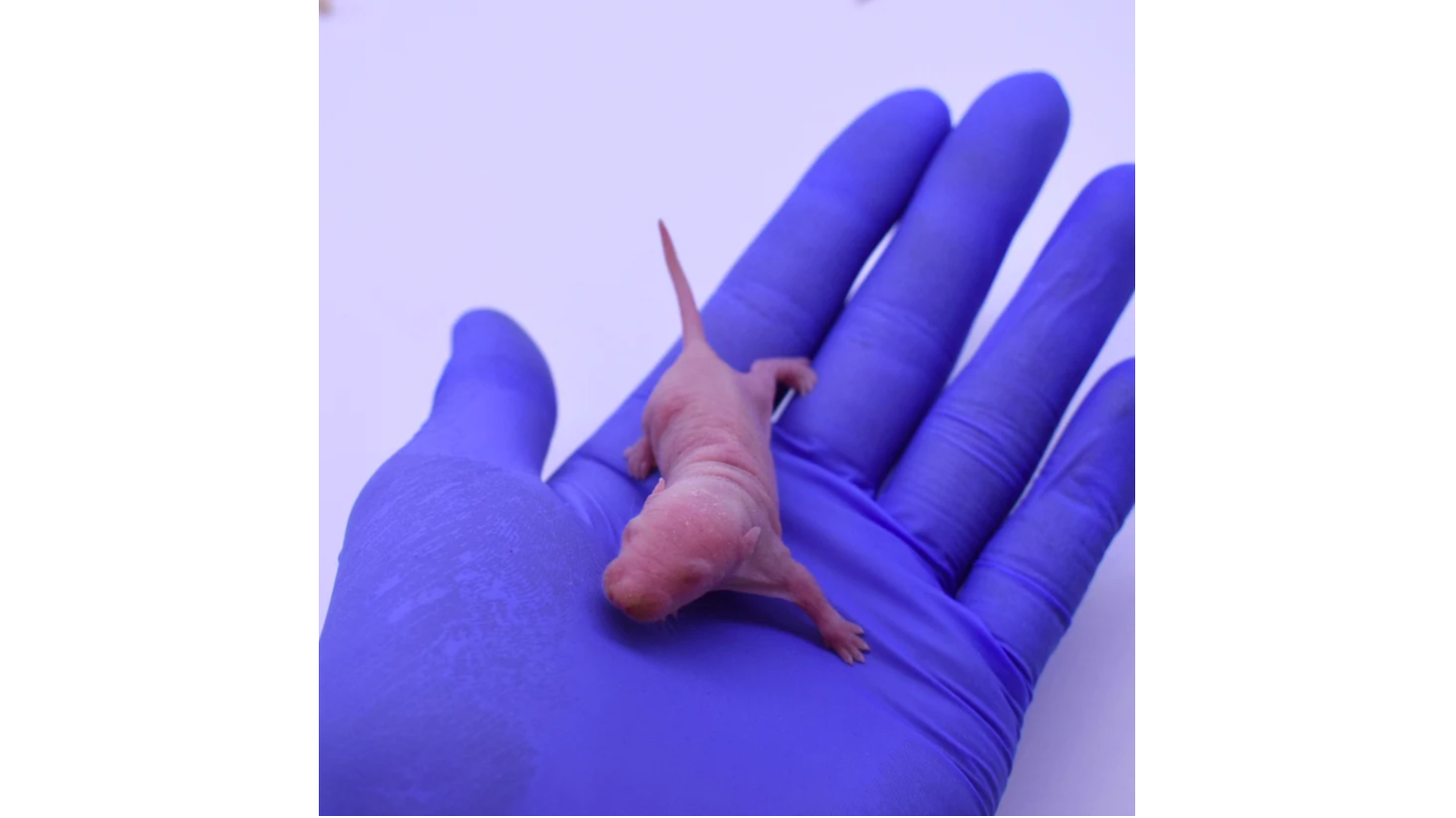
Sometimes, sizing feeders can feel like reading tea leaves. One week, your juvenile strikes without hesitation; the next, a slightly bigger prey item gets the cold shoulder. Get it wrong and you're not just wasting a thawed pinky—you're risking stress, slow growth, even a messy regurge you'll be cleaning up at midnight.
So strip out the guesswork. The difference between a smooth, confidence-building feed and a refusal often comes down to two things: mass and fit. Length lies; grams don't. When you're ready to buy, get premium, Mazuri-fed frozen rat pinkies. Here's how you get it right:
Pinkies vs Fuzzies: When to Make the Jump
Pinkies are the entry point—lightweight, low-volume prey for hatchlings and small juveniles that need easy first feeds and low risk of refusals. You move to fuzzies when a pinky looks slim against the snake's widest midsection, and feed responses are steady. That step up adds mass and calories without tipping into regurgitation territory. The check is simple: strong strike, clean coil, regular stools on pinkies, plus a clear midsection match—then size up.
Common sizing mistakes to avoid
- Guessing by length alone: A 2-inch pinky from one supplier can have a very different mass from another. For juveniles, weight is the more reliable signal.
- Skipping stages too soon: Jumping from pinkies to pups can trigger refusals or regurgitation in smaller species and young ball pythons.
- Feeding "what's in the freezer": Convenience feeding often leads to underfeeding (stunting growth) or overfeeding (messy stools, stress).
A simple, keeper-tested approach
- Start with body-width matching: Choose a feeder roughly equal to the broadest part of your snake's midsection (slightly smaller for first-time feeders).
- Use gram ranges, not guesses:
- Rat Pinkies: ~3-8.9 g, ideal for hatchlings and small juveniles (baby ball pythons, juvenile hognose, corn snakes, sand boas, milk snakes).
- Fuzzies: next step up when a pinky looks "narrow" against the midsection.
- Pups: for established juveniles confidently taking larger prey without hesitation.
- Adjust by behavior and body condition: Strong strikes/quick coils and clean, regular stools are green lights. Refusals or regurgitation mean size down, slow down, or check temperatures and stressors.
Best practices for safe, confident feeds
- Thaw the right way: Defrost in a sealed bag in the fridge, then bring to a slightly warm (never hot) temperature using a second sealed bag in warm water. Avoid microwaves.
- Scent and presentation: Use tongs and a realistic "mouse-like" movement. A gentle head-first presentation reduces substrate ingestion risk.
- Keep a feeding log: Note date, feeder size/weight, response, and stool quality. You'll see exactly when it's time to size up.
- Plan with combos: If your snake is approaching a growth spurt, mix pinkies and fuzzies in your next order to avoid gaps in your schedule.
What Sets Pro-Grade Feeders Apart
The cheap stuff looks the same in a plastic bag—until it doesn't. What you want is predictability: tight gram ranges so every thaw is the size you planned, humane CO₂ euthanasia so you're not second‑guessing ethics, and nutrition that actually builds muscle instead of just filling a belly. The serious suppliers do the tedious work: raise in controlled conditions, feed Mazuri, keep handling consistent, then send it out frozen on dry ice so it lands the way it left.
Doing Simple Things Right
Do the simple things right, and the rest gets easier. Match the feeder to the midsection, log what happens, let body condition—not wishful thinking—tell you when to size up. Keep an eye on gram ranges and shipping windows so you're not scrambling on feed day. When it's time to restock, pick frozen rat pinkies or combo packs you can plan around; your snake will tell you the difference.
MiceDirect
City: Cleveland
Address: 651 Tom Bell Road USA
Website: https://micedirect.com/
Phone: +1 706 892 4136
Email: sales@micedirect.com


Comments
Post a Comment