Foundation Cracks: Causes, When To Worry & How To Stop Them From Spreading
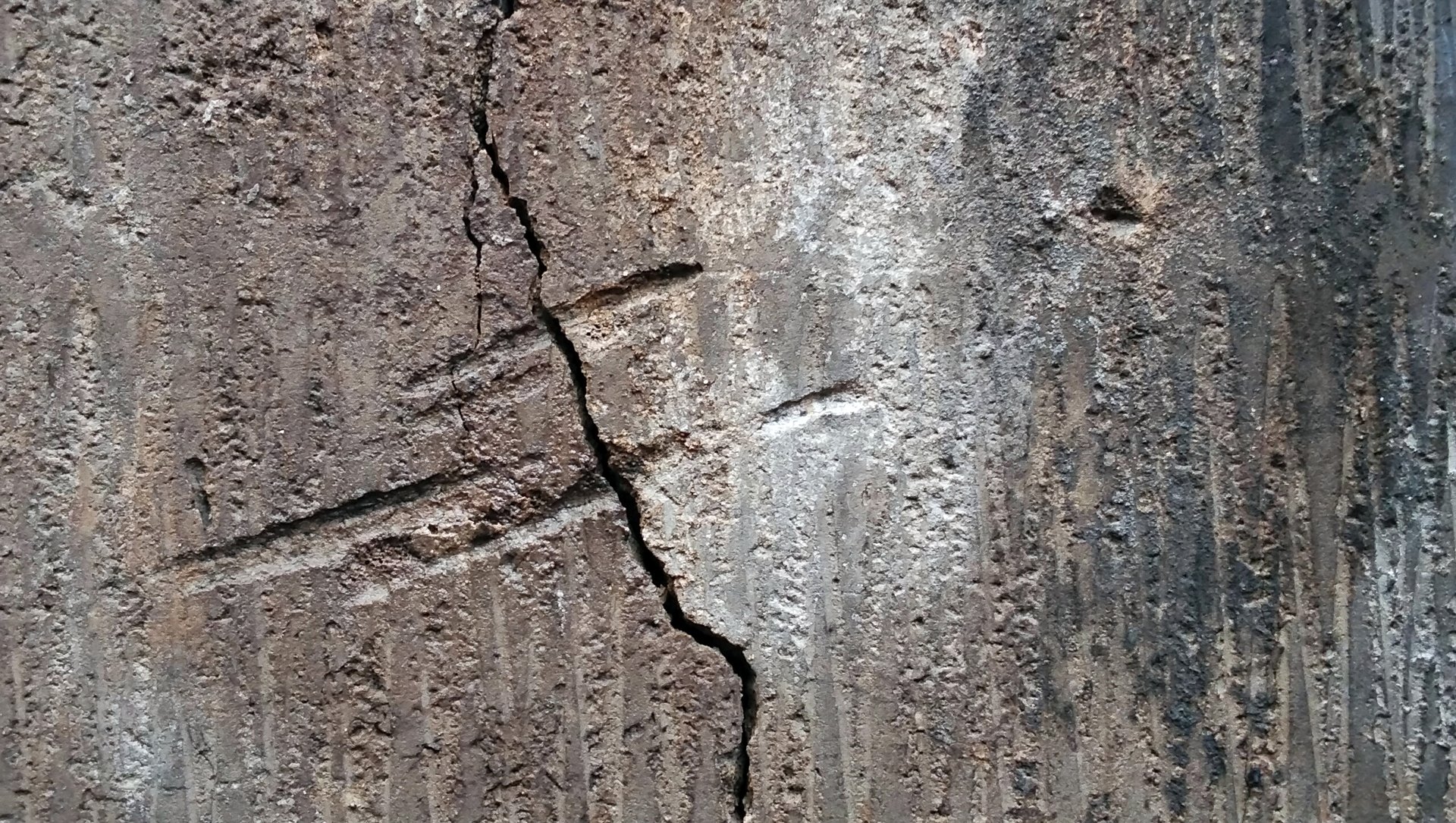
Key Takeaways
- Foundation cracks wider than 1/4 inch require professional evaluation, while hairline cracks under 1/16 inch are typically cosmetic from normal concrete settling.
- Horizontal and stair-step cracks signal serious structural issues that can lead to foundation failure if left untreated.
- Minor crack repairs cost $250-$800, but delaying can lead to $2,000-$15,000+ in major foundation work.
- Proper drainage and early monitoring prevent small cracks from becoming expensive structural problems.
- Water seepage, door/window misalignment, uneven floors, and expanding crack width are immediate red flags requiring professional assessment.
Discovering cracks in your home's foundation can trigger immediate panic about structural integrity and expensive repairs. The reality is that foundation cracks are incredibly common - appearing in homes of all ages from brand new construction to decades-old properties. While some cracks are harmless byproducts of normal settling, others signal serious problems that demand immediate attention to prevent catastrophic damage.
What Foundation Cracks Really Mean for Your Home's Safety
Foundation cracks don't automatically spell disaster for your home's structural integrity. Every crack tells a story about what's happening beneath and around your foundation. Understanding these stories helps separate normal settling patterns from genuine threats to your home's stability and safety.
The key lies in recognizing that not all cracks are created equal. A hairline vertical crack might indicate normal concrete curing, while a horizontal crack could signal imminent foundation wall failure. The difference between a $400 repair and a $15,000 structural overhaul often comes down to early identification and appropriate response.
The Main Culprits Behind Foundation Damage
The experts at Chicago-based United Structural Systems of Illinois explain that foundation damage stems from four primary sources: natural settling processes, environmental pressures, construction-related issues, and tree root intrusion. Each category creates distinct crack patterns that help diagnose the underlying problem and determine appropriate repair strategies.
Normal Settling vs. Serious Soil Pressure
Normal foundation settlement occurs as loose backfill soil compacts and the structure finds its equilibrium with the surrounding earth. This natural process typically produces small vertical cracks that remain stable over time. However, serious soil pressure from expansive clay or hydrostatic forces creates entirely different crack patterns that signal active structural stress.
Expansive soils swell when wet and shrink when dry, creating constant pressure cycles against foundation walls. This pressure manifests as horizontal cracks, wall bowing, and stair-step patterns in block foundations. Unlike settling cracks, pressure-related damage continues to worsen until the underlying soil conditions are addressed.
Water and Drainage Problems
Poor drainage remains the leading cause of serious foundation problems. When water pools around the foundation perimeter, it creates hydrostatic pressure that pushes against the basement walls with tremendous force. This pressure not only causes cracks but can also push foundation walls inward, creating dangerous structural instability.
Inadequate guttering, improper grading, and blocked drainage systems concentrate water where it causes maximum damage. The resulting moisture infiltration weakens concrete and mortar while creating ongoing pressure that expands existing cracks and generates new ones.
Construction Issues That Surface Later
Construction-related foundation problems often don't appear until years after initial building completion. Inadequate soil compaction, insufficient reinforcement, or substandard concrete mixes create weak points that manifest as cracks when the foundation experiences normal stresses.
Poor workmanship in backfilling, inadequate drainage installation, or shortcuts in reinforcement placement create time bombs that eventually surface as serious structural issues. These problems typically require extensive remediation because they affect the foundation's fundamental integrity.
Tree Root Intrusion
Large trees planted too close to homes can cause significant foundation problems. Tree roots absorb moisture from the surrounding soil, leading to soil shrinkage and foundation settlement. In some cases, aggressive root systems can push directly against foundation walls, creating cracks or causing basement floor damage.
6 Types of Foundation Cracks Every Homeowner Should Recognize
Identifying crack types helps homeowners understand severity levels and response urgency. Each crack pattern provides specific clues about underlying causes and potential progression if left untreated.
1. Vertical Cracks (Usually Harmless But Monitor for Width and Water Seepage)
Vertical cracks represent the most common foundation crack type. These cracks run straight up and down foundation walls, usually resulting from normal settling or concrete curing processes. While vertical cracks are often the result of normal settling, scheduling an inspection to evaluate the problem is recommended.
However, vertical cracks wider than 1/16 inch or those allowing water penetration require attention. Water infiltration through vertical cracks can cause basement flooding, mold growth, and gradual concrete deterioration. Simple epoxy injection typically provides effective sealing for non-structural vertical cracks.
2. Horizontal Cracks (Call a Professional - Often From Soil and Water Pressure)
Horizontal cracks signal serious structural problems requiring immediate professional evaluation. These cracks typically result from lateral soil pressure or hydrostatic forces pushing against foundation walls. Left untreated, horizontal cracks often lead to foundation wall failure and potential structural collapse. Horizontal crack repairs can cost between $350 and $25,000 depending on severity.
Horizontal cracks frequently accompany wall bowing, basement flooding, and progressive structural deterioration. Professional repair typically involves installing wall anchors, braces, or complete wall replacement depending on damage severity. The cost of addressing horizontal cracks early is significantly less than dealing with complete foundation failure.
3. Stair-Step Cracks (Block Foundation Red Flag Along Mortar Joints)
Stair-step cracks appear primarily in concrete block foundations, following mortar joints between blocks. These cracks indicate differential settling or lateral pressure that compromises the foundation's structural integrity. Stair-step patterns suggest that one section of the foundation is moving independently from adjacent areas.
Block foundations with stair-step cracks require thorough structural evaluation because the cracks compromise the interlocking strength that gives block walls their stability. Repair typically involves reinforcement with steel reinforcing bars, carbon fiber strapping, or complete block replacement in severe cases.
4. Diagonal Cracks (Monitor for Differential Settlement Issues)
Diagonal cracks often indicate differential settlement where one area of the foundation settles faster or more extensively than adjacent areas. Diagonal cracks can be a sign of serious structural issues, especially if accompanied by sticking doors or windows, and may signal ongoing movement that will worsen over time without intervention.
These cracks typically appear at angles up to 30 degrees from vertical and may concentrate near foundation corners or where different foundation sections meet. Monitoring diagonal cracks for width increases and accompanying structural symptoms helps determine when professional intervention becomes necessary.
5. Hairline Cracks (Under 1/16 Inch - Cosmetic From Concrete Curing)
Hairline cracks measuring less than 1/16 inch wide typically result from normal concrete curing and shrinkage processes. These superficial cracks rarely compromise structural integrity but can allow minor water infiltration if left unsealed. Most hairline cracks appear within the first year of construction as concrete completes its curing process.
Simple DIY repair with quality concrete caulk or epoxy injection effectively seals hairline cracks and prevents water infiltration. However, monitoring these cracks for expansion helps identify cases where seemingly minor cracks indicate developing structural problems.
6. Shrinkage Cracks (New Home Settlement - Similar to Hairline)
Shrinkage cracks develop as concrete loses moisture during the curing process, typically appearing in new construction within the first year. These cracks resemble hairline cracks but specifically result from concrete volume reduction as excess water evaporates from the concrete matrix. Plastic shrinkage can also occur due to rapid evaporation of water from the concrete surface.
New home warranties often cover shrinkage crack repair, making early documentation important for warranty claims. While generally cosmetic, shrinkage cracks that continue expanding beyond normal curing periods may indicate concrete quality issues requiring professional evaluation.
DIY Fixes vs. When to Call the Professionals
Determining appropriate repair approaches saves both money and prevents inadequate fixes that allow problems to worsen. Understanding the limits of DIY repairs helps homeowners tackle appropriate projects while recognizing when professional expertise becomes necessary.
Simple Repairs You Can Handle (Under 1/4 Inch With Monitoring)
Homeowners can effectively address non-structural cracks under 1/16 inch wide using quality epoxy injection or polyurethane sealants. These materials provide waterproof seals that prevent further water infiltration while allowing slight movement without crack reopening. DIY crack repair kits typically cost $50-200 and include all necessary materials for small crack repair.
Successful DIY repair requires proper surface preparation, appropriate material selection, and ongoing monitoring to ensure the repair remains effective. However, any crack that reopens after repair or continues expanding indicates underlying problems requiring professional assessment.
Complex Issues Requiring Expert Assessment
Horizontal cracks, stair-step patterns, cracks wider than 1/4 inch, and any cracks accompanied by structural symptoms require professional evaluation and repair. These situations typically involve ongoing structural movement that simple crack sealing cannot address. Professional repair may involve foundation underpinning, wall reinforcement, or drainage system installation.
Small fixes like crack sealing or patching typically cost between $500 and $2,000. More involved repairs, such as installing piers or underpinning, range from $3,000 to $15,000. Major structural fixes can exceed $20,000. Early professional intervention often prevents the need for extensive repairs by addressing underlying causes before they create major structural damage.
Act Fast to Prevent Minor Cracks From Becoming Major Repairs
Foundation crack management requires balancing appropriate concern with practical action. While not every crack signals structural disaster, ignoring warning signs or delaying appropriate repairs often transforms manageable problems into expensive emergencies.
The difference between a $400 crack repair and a $15,000 foundation overhaul often comes down to timing and appropriate response. Homeowners who monitor their foundations regularly, address drainage problems promptly, and seek professional evaluation for concerning symptoms typically avoid major foundation repairs and maintain their home's structural integrity and value.
Understanding foundation cracks empowers homeowners to make informed decisions about when to act, what repairs are necessary, and how to prevent future problems. This knowledge protects both the physical structure and the financial investment that a home represents.
The first step, however, is requesting expert foundation crack evaluation to protect your home's structural integrity and value.
United Structural Systems of Illinois, Inc
City: Hoffman Estates
Address: 2124 Stonington Ave
Website: https://www.unitedstructuralsystems.com/


Comments
Post a Comment